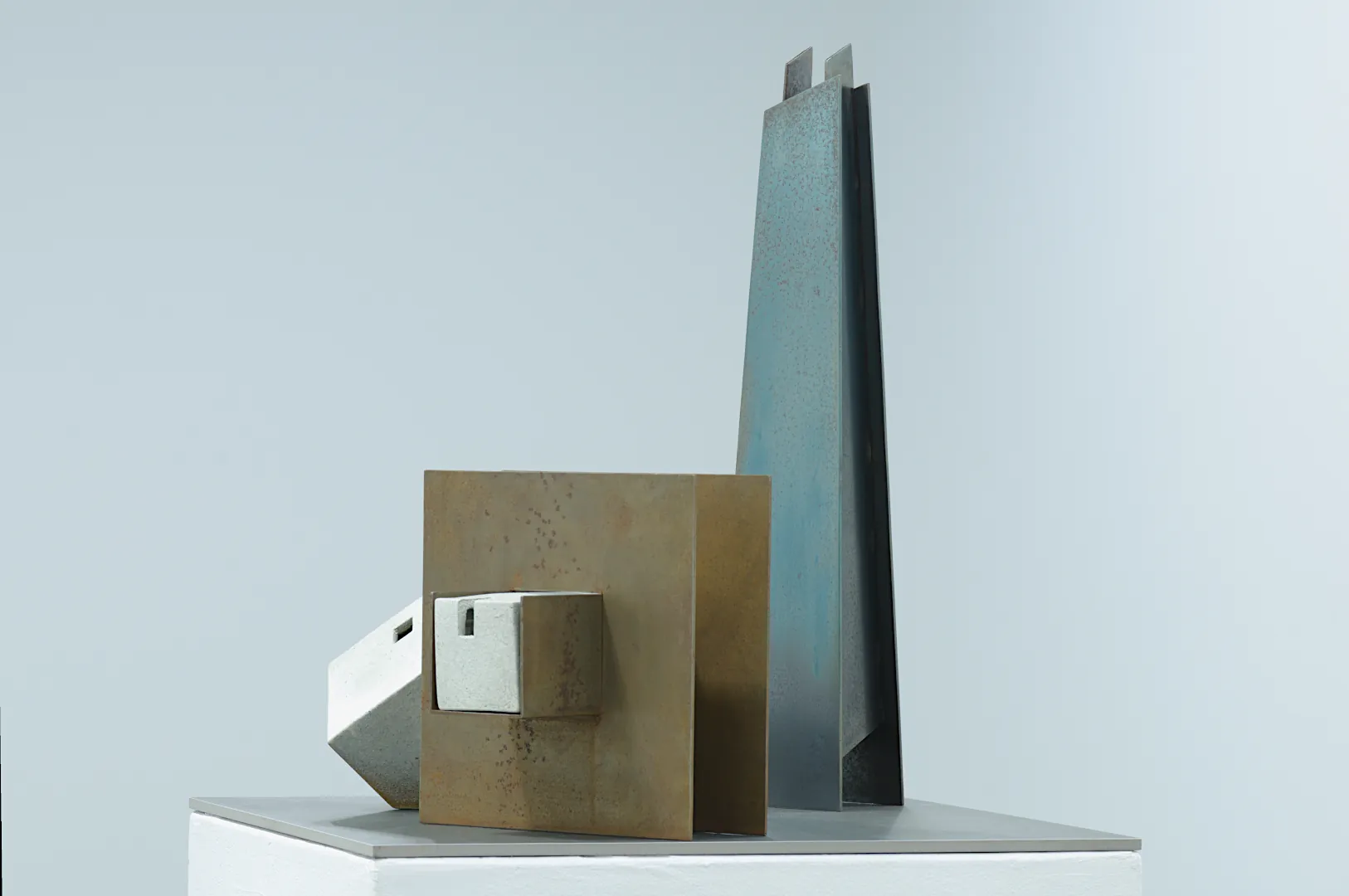
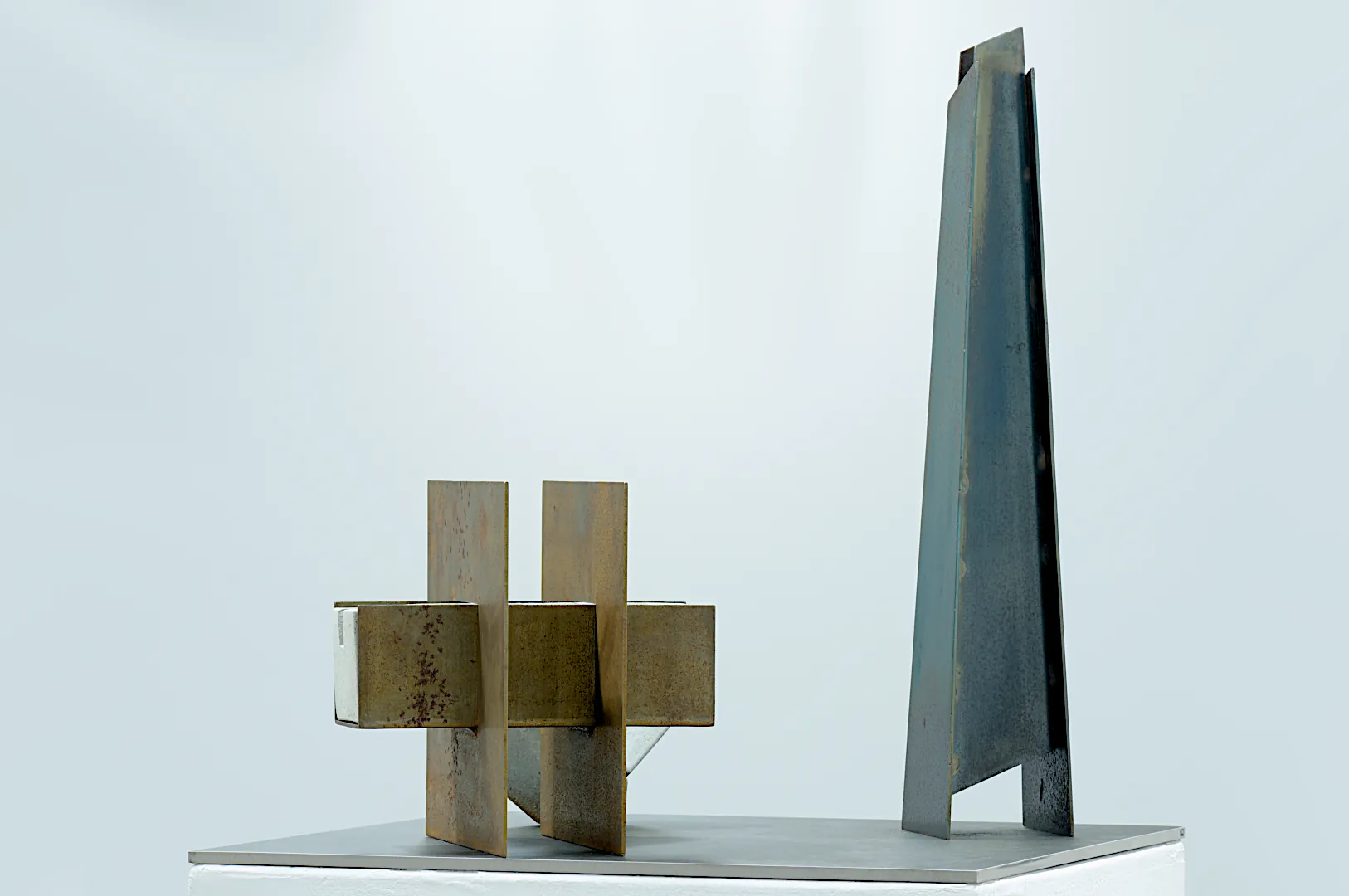
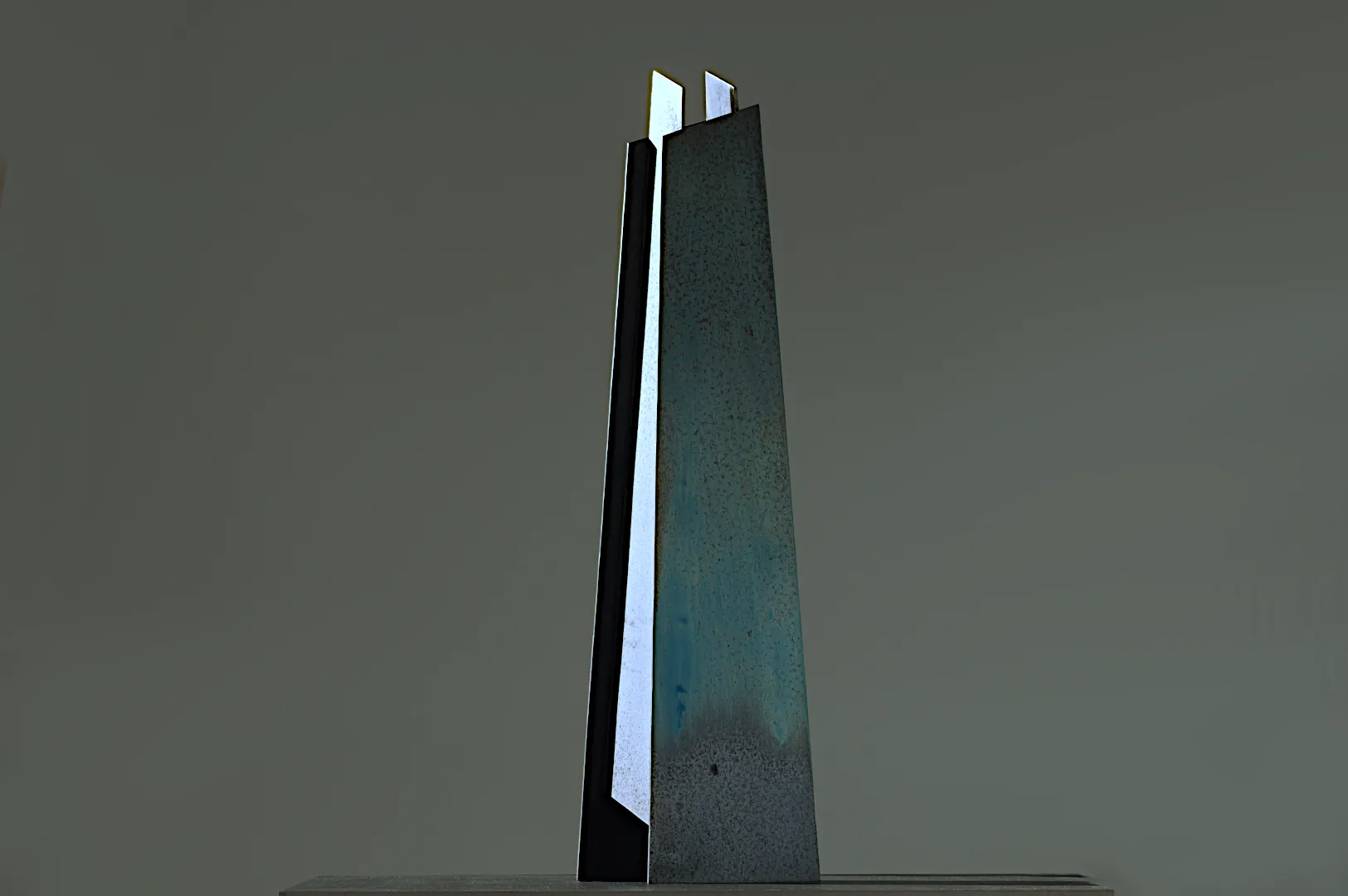
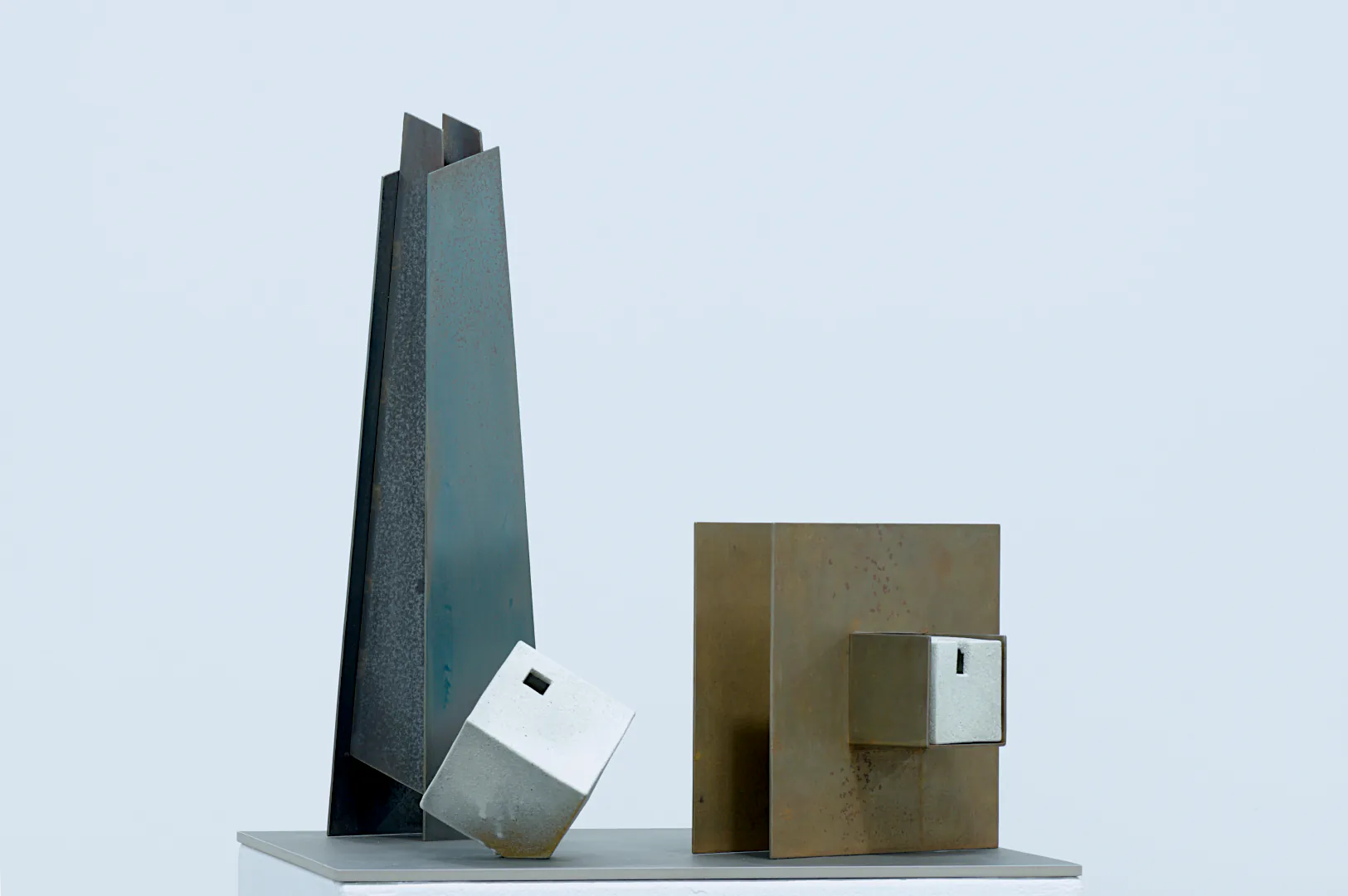
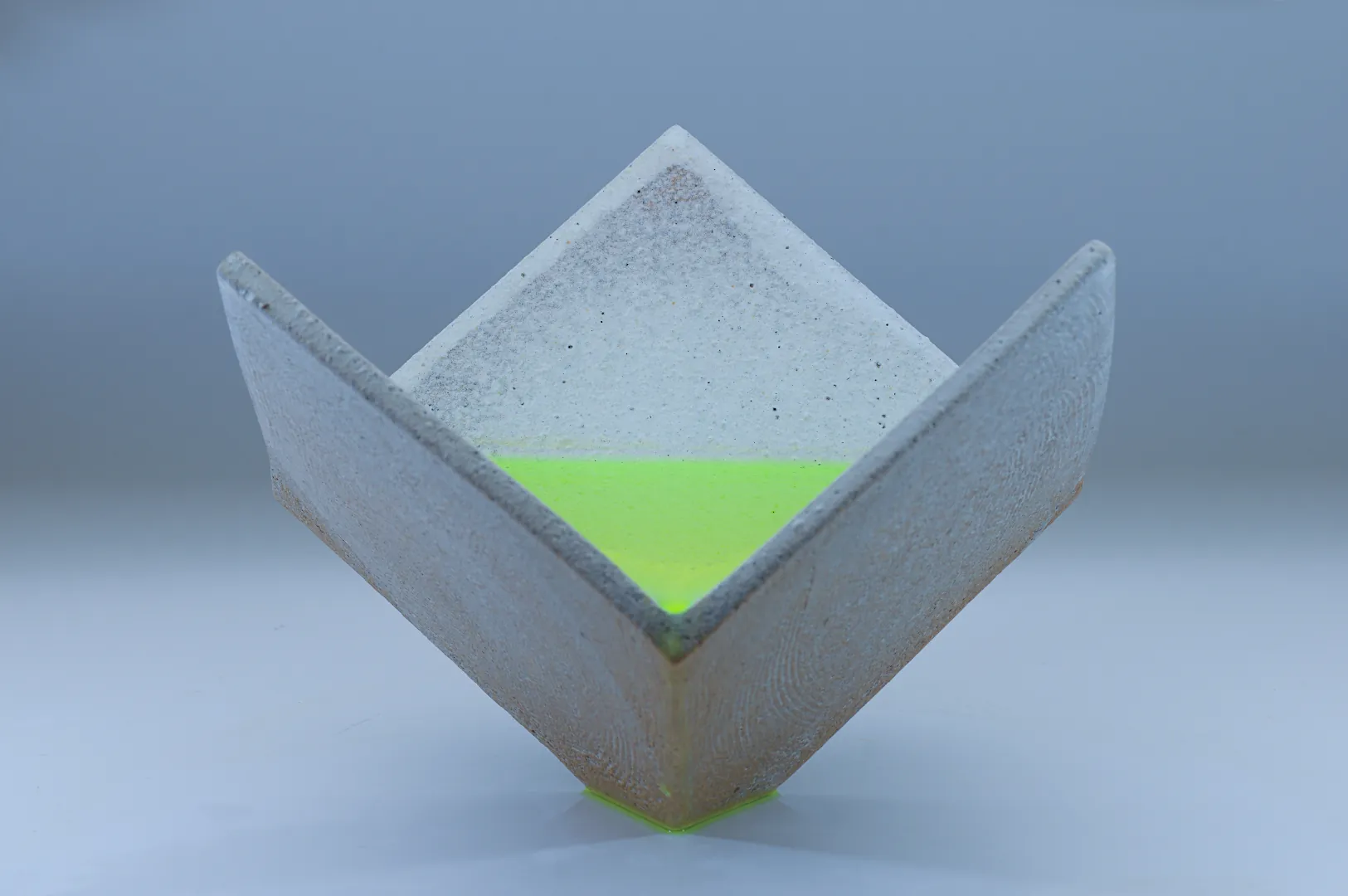
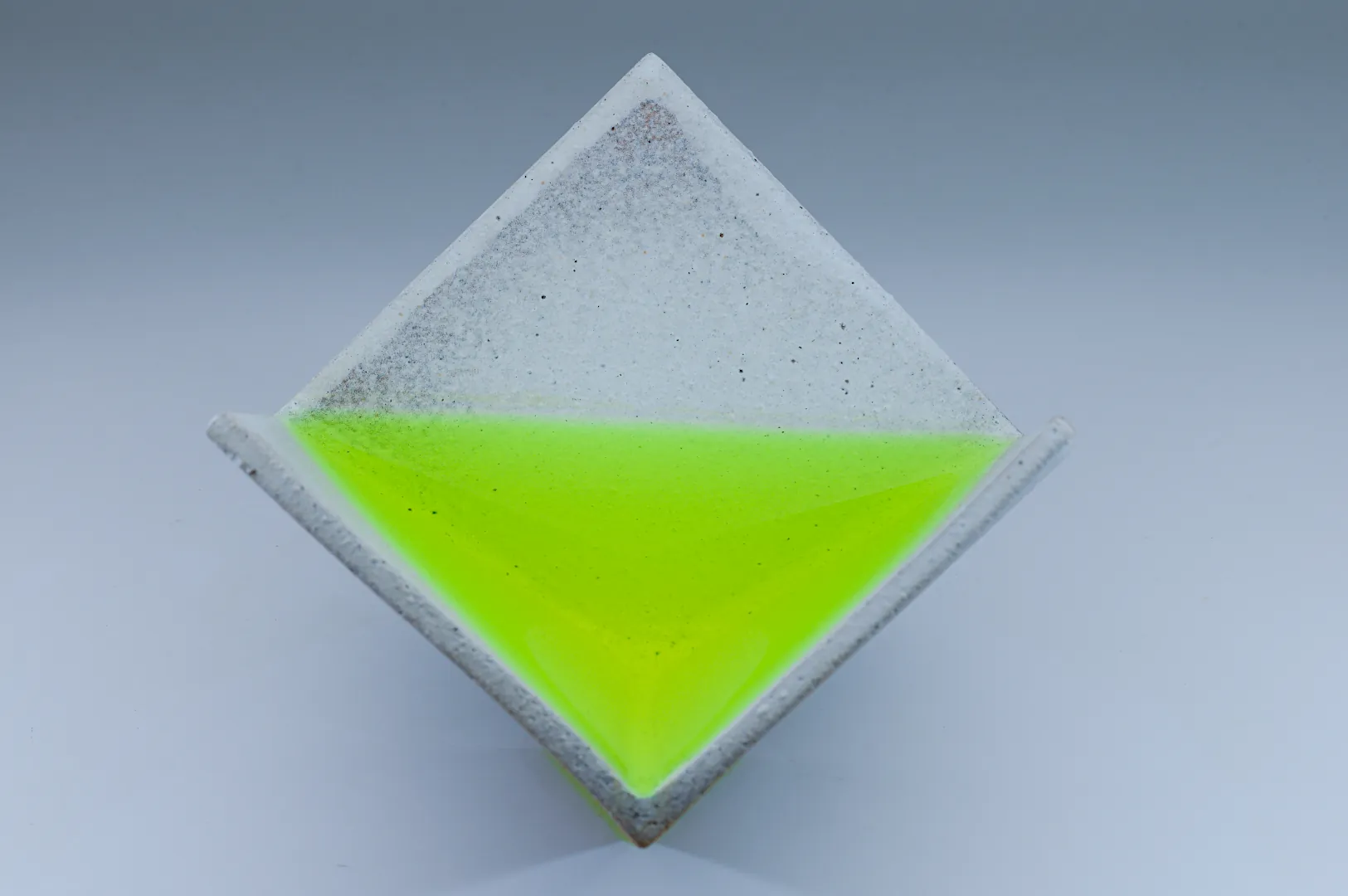



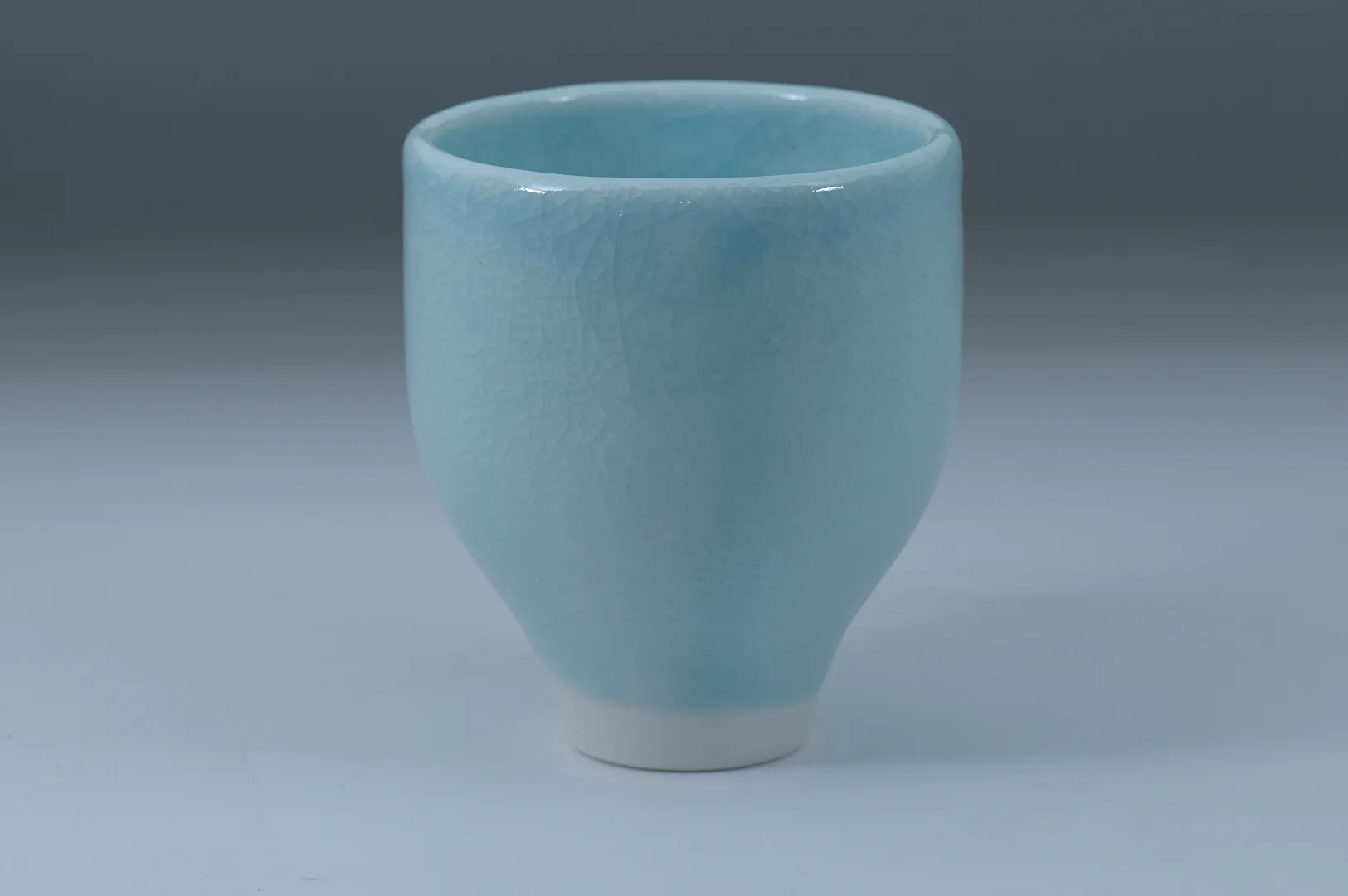
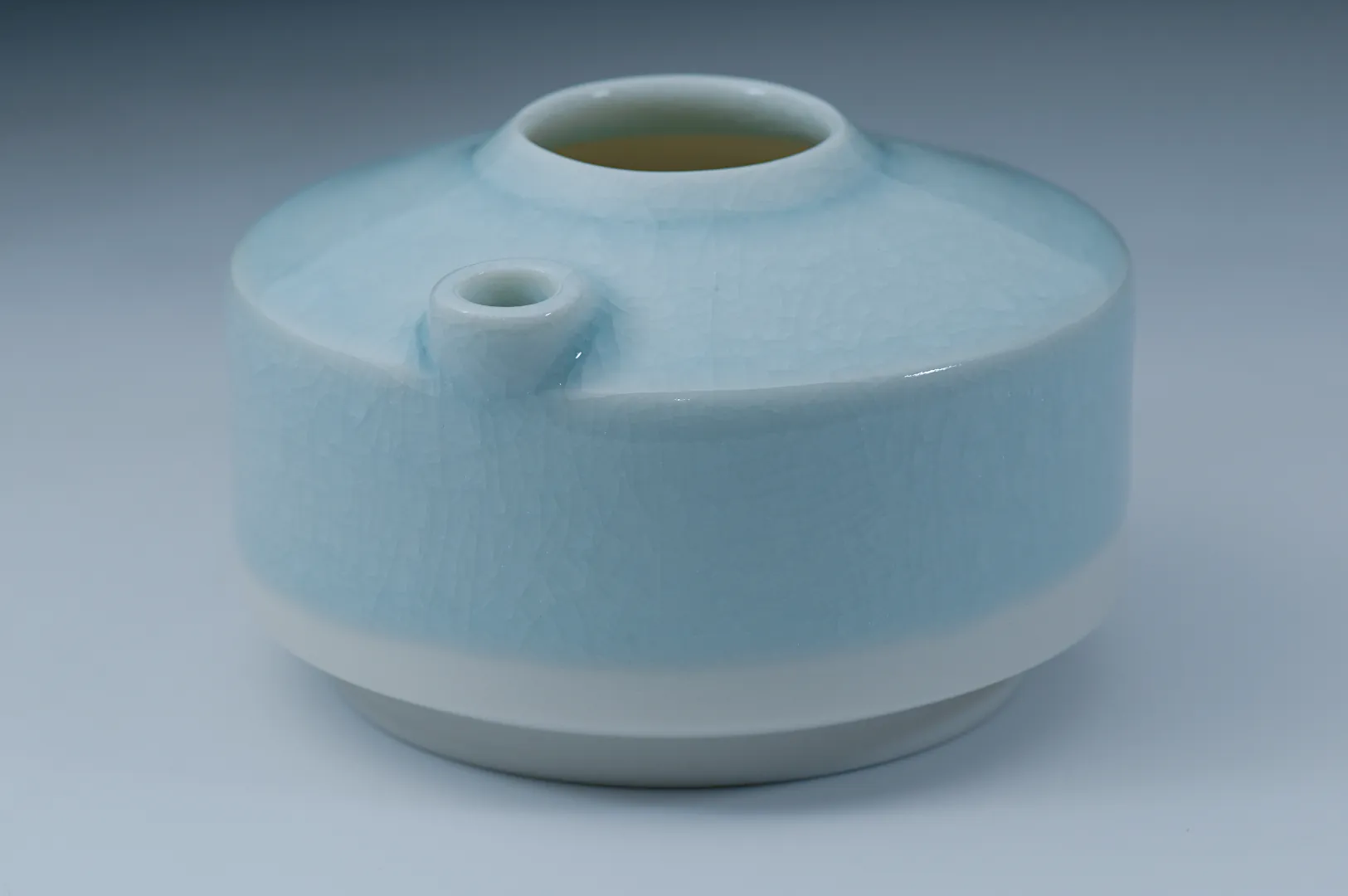
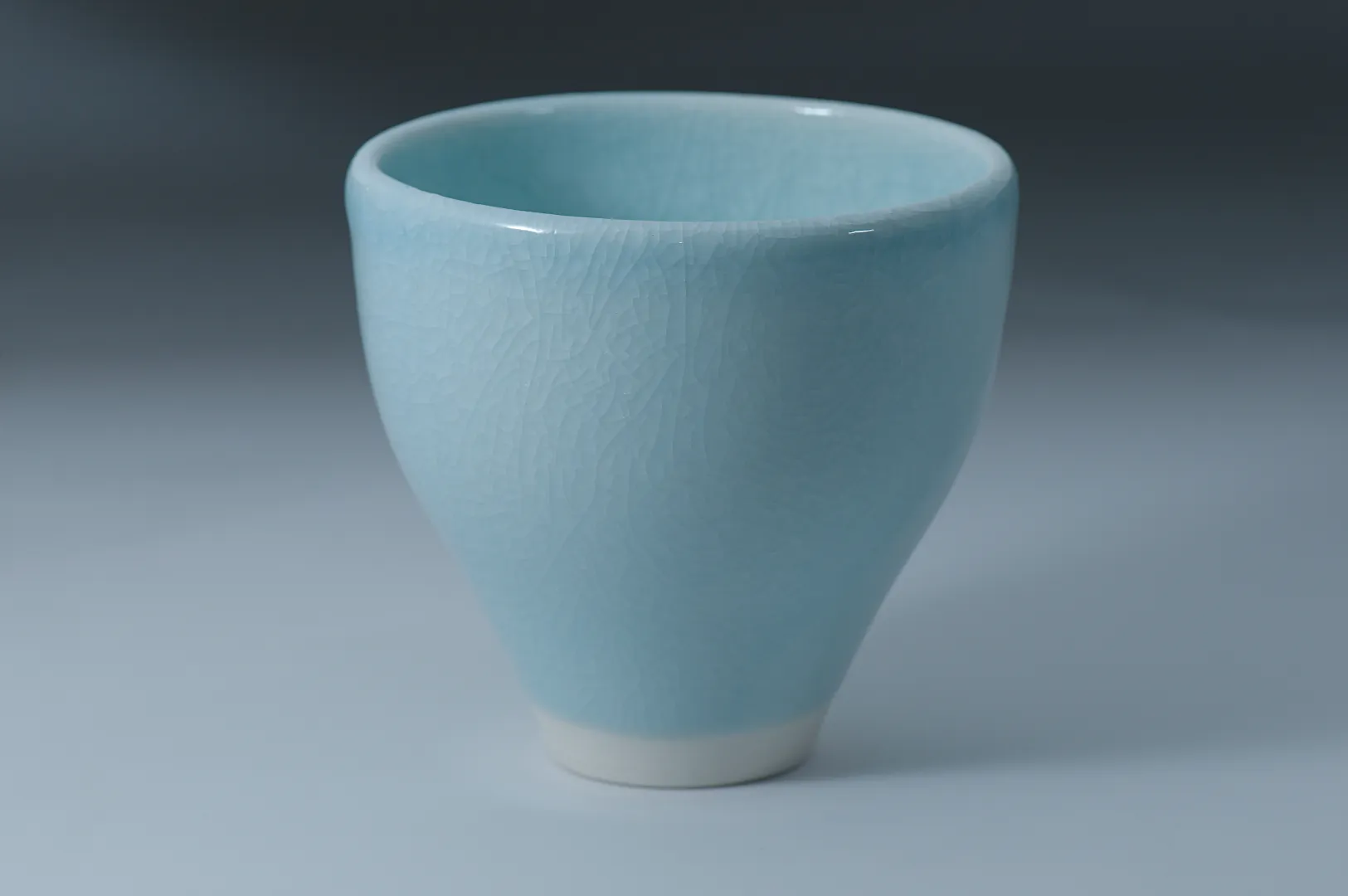
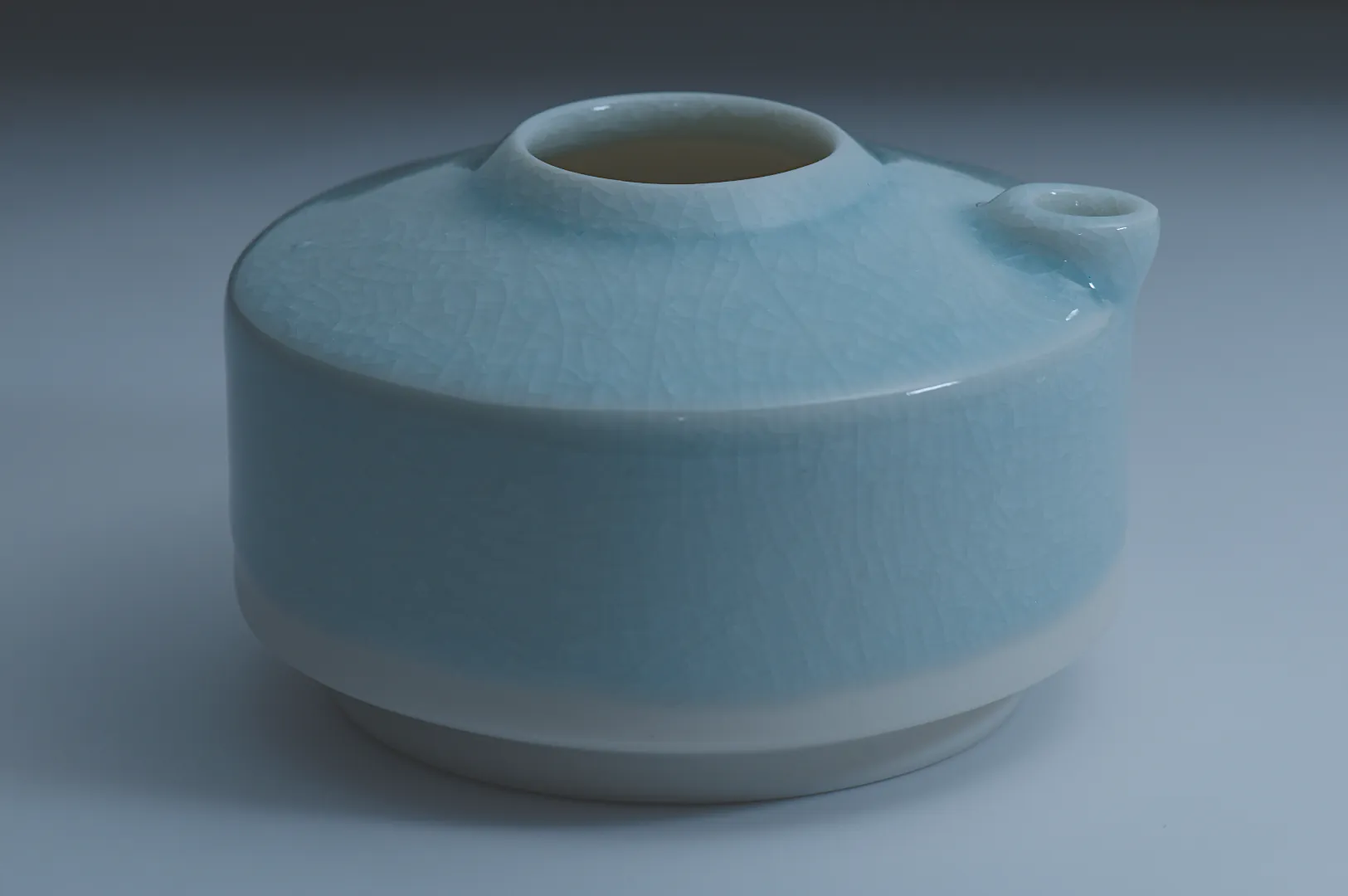

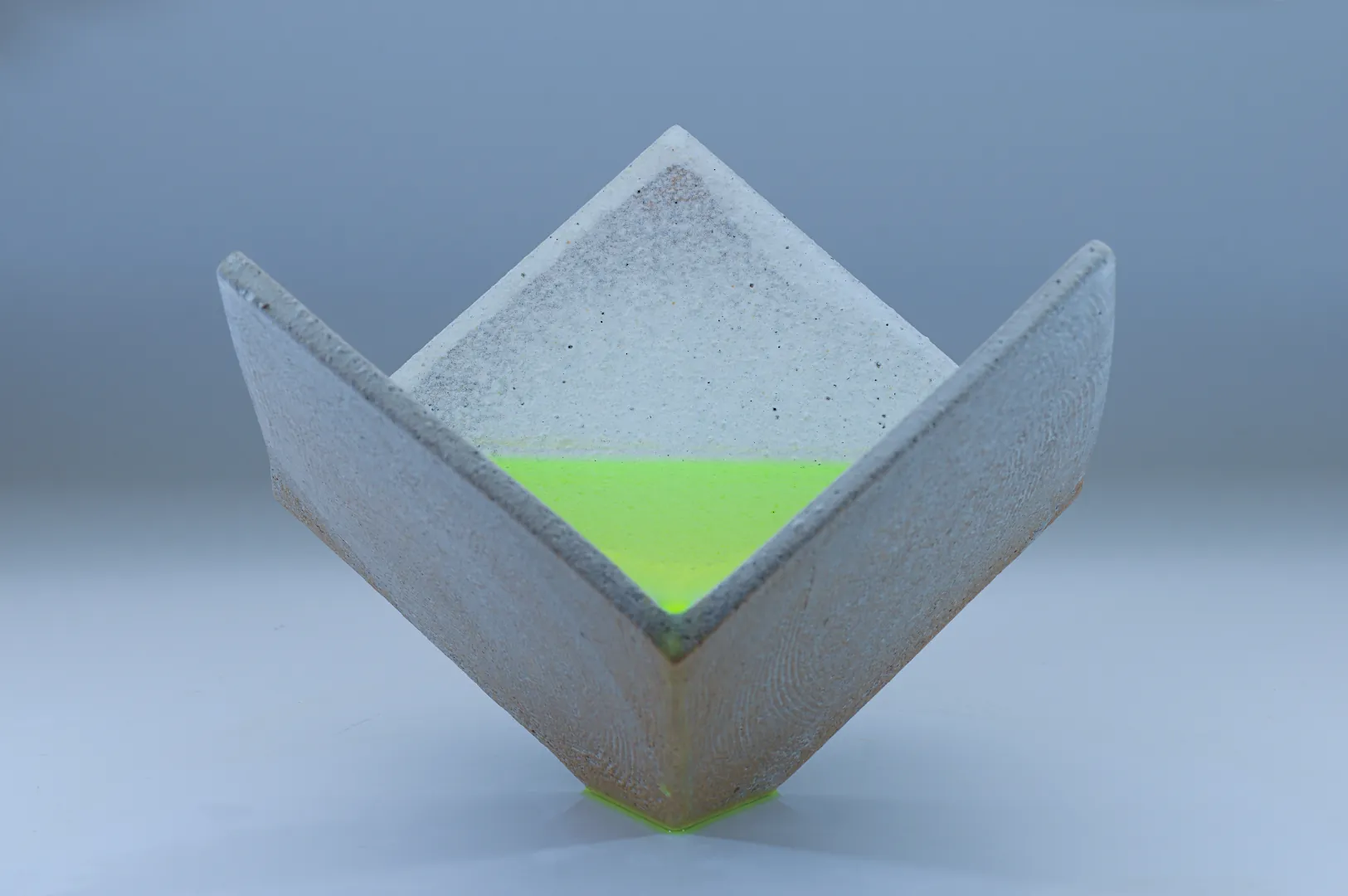
Qubit 3
Ceramics and Steel : : In Sync 2025
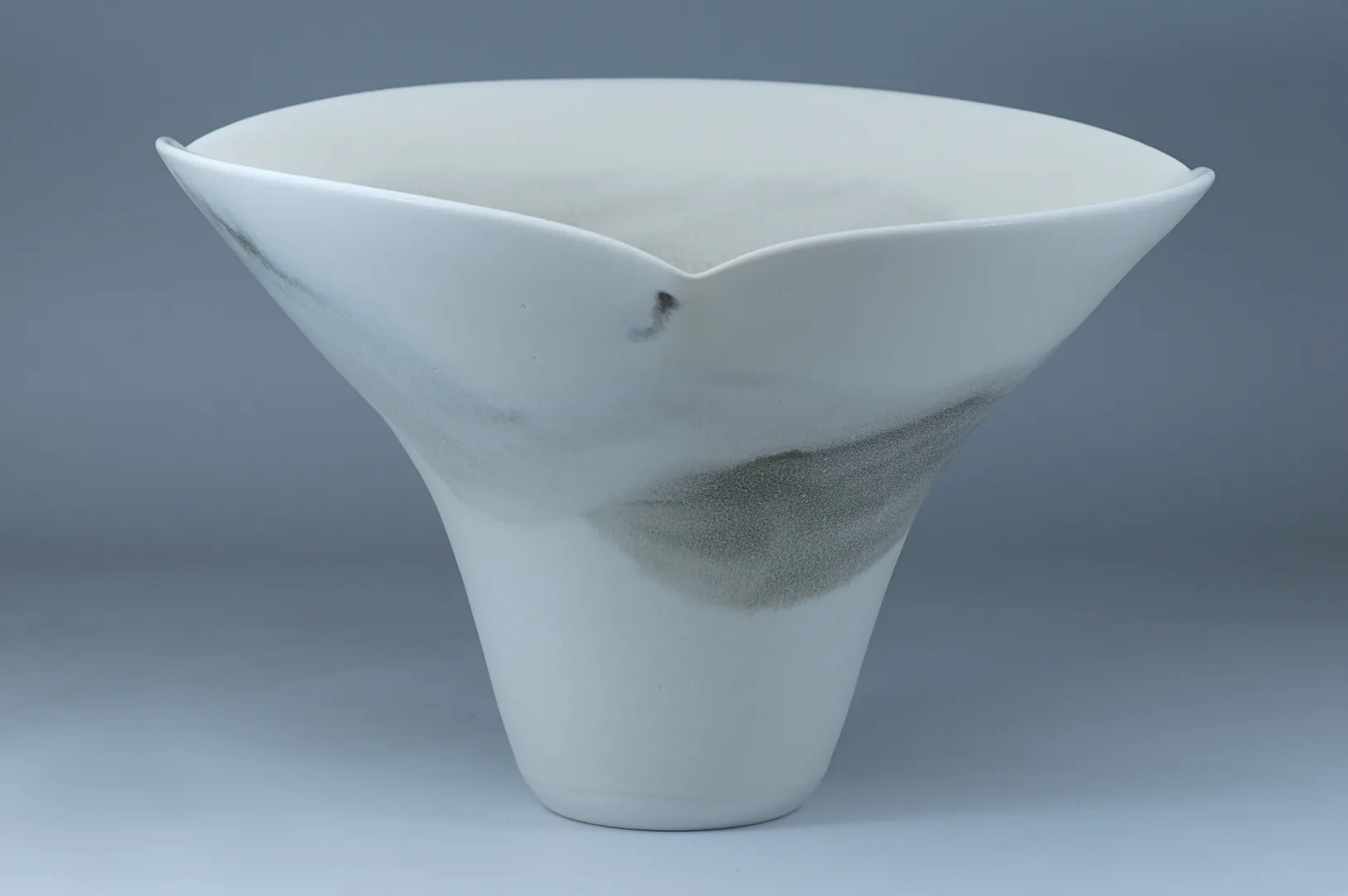
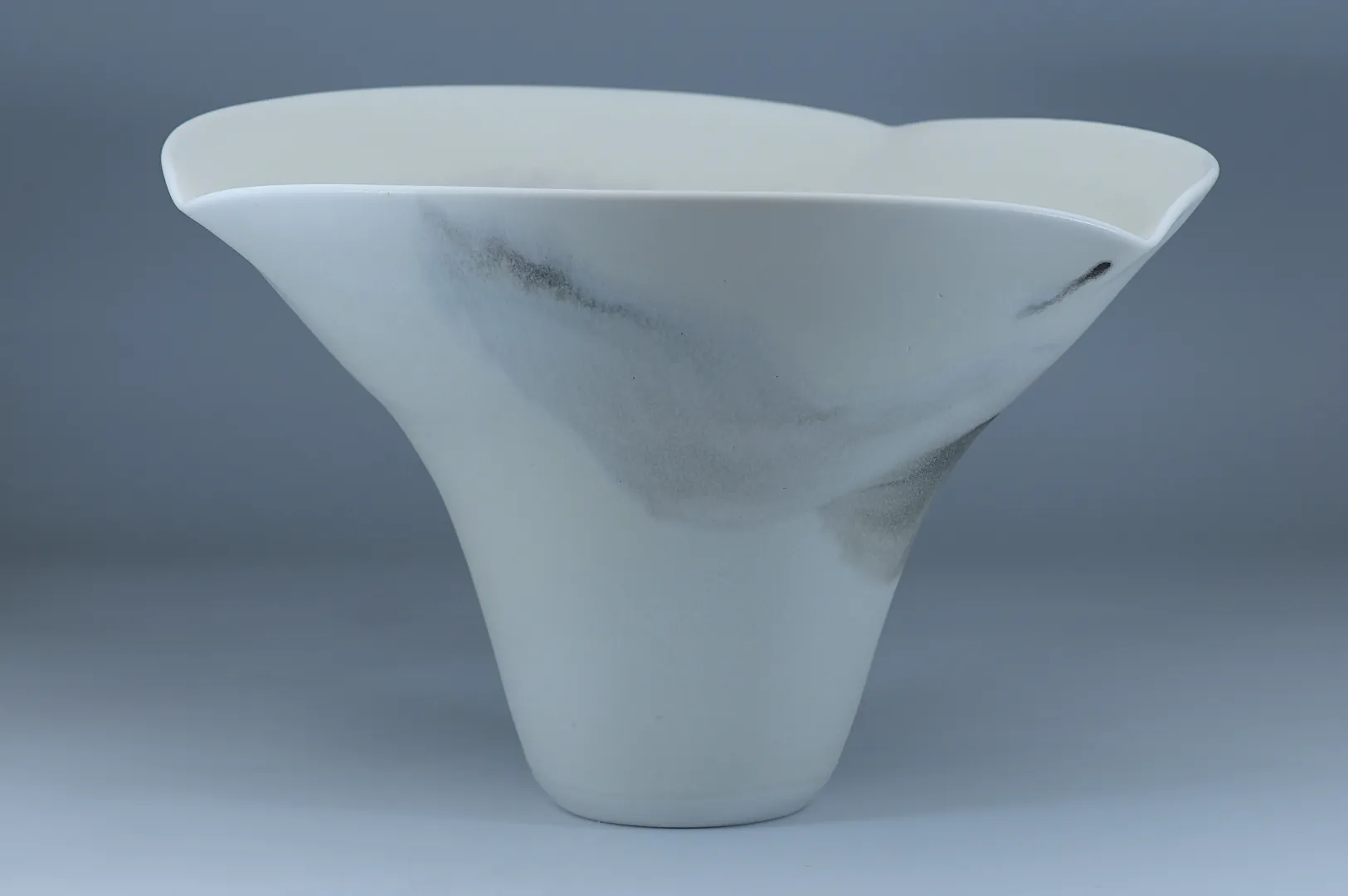
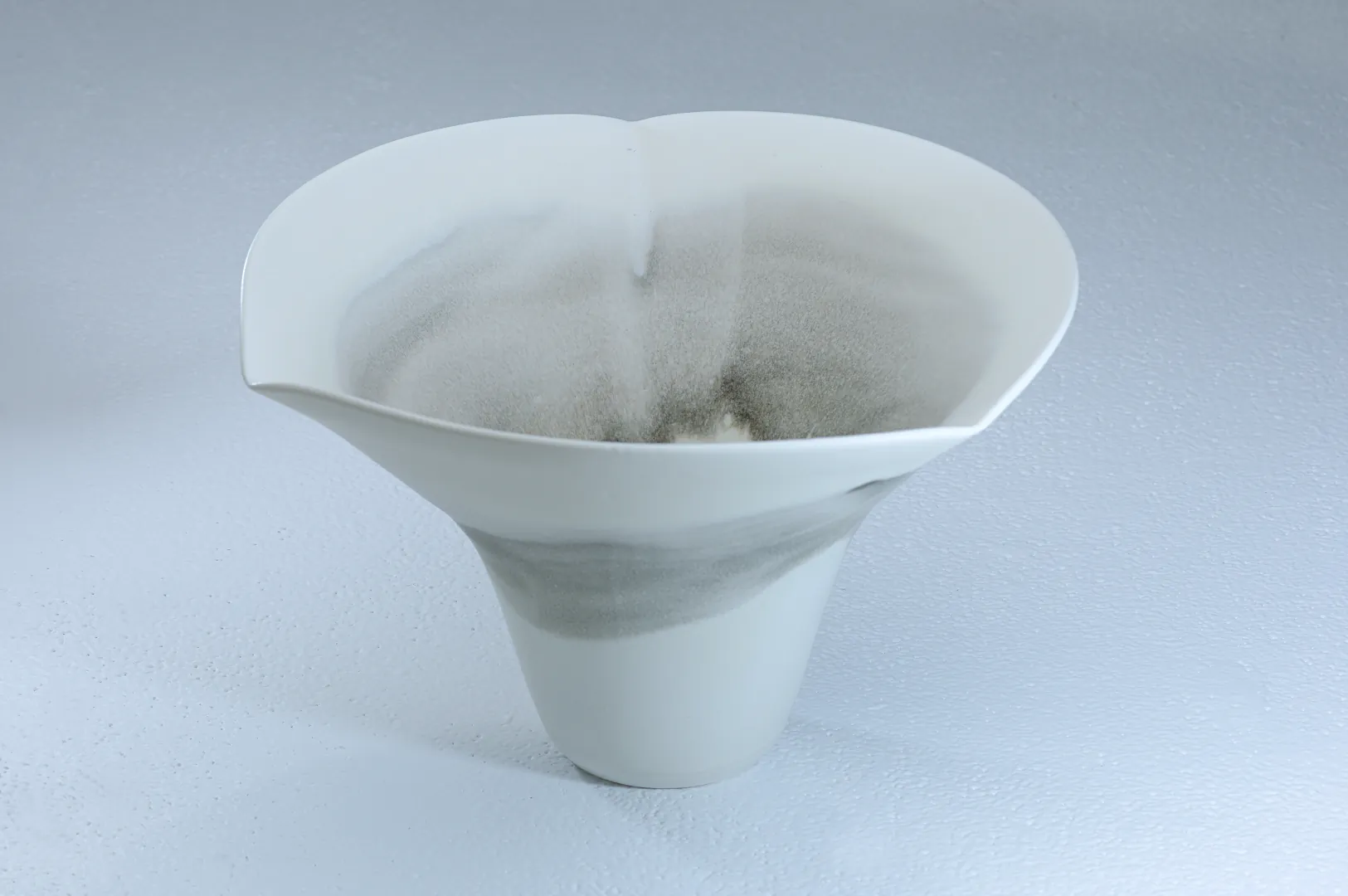
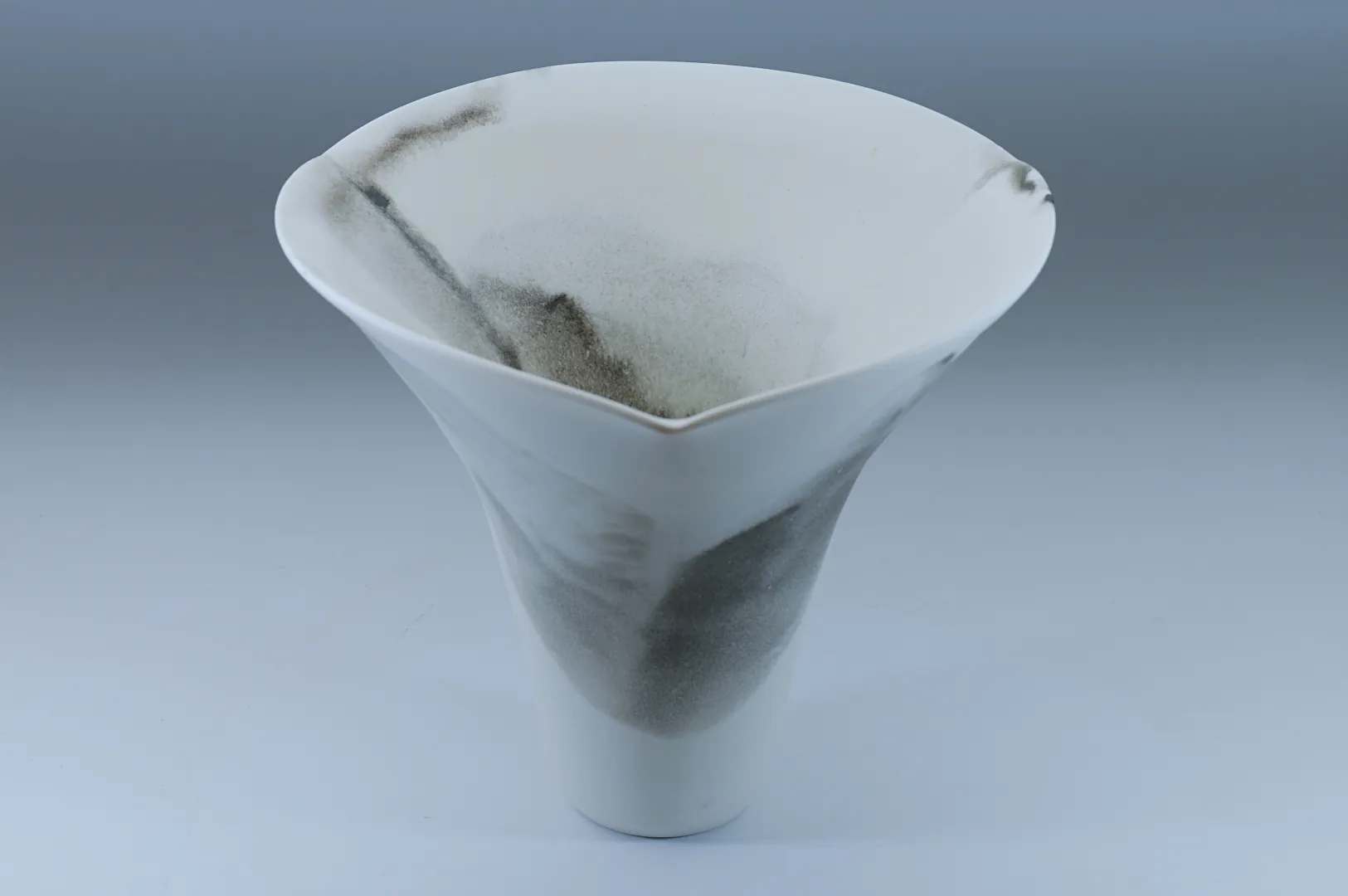
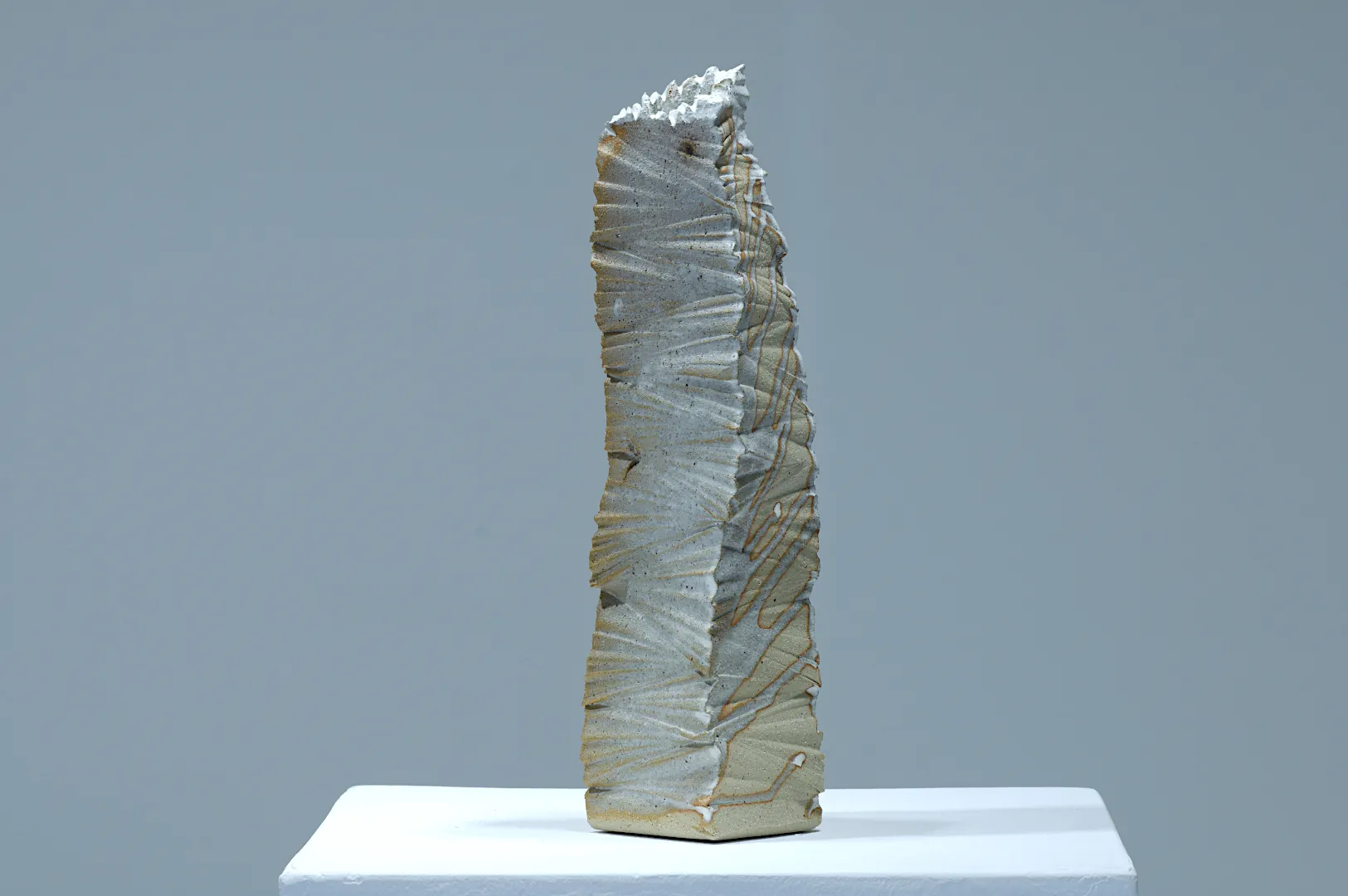
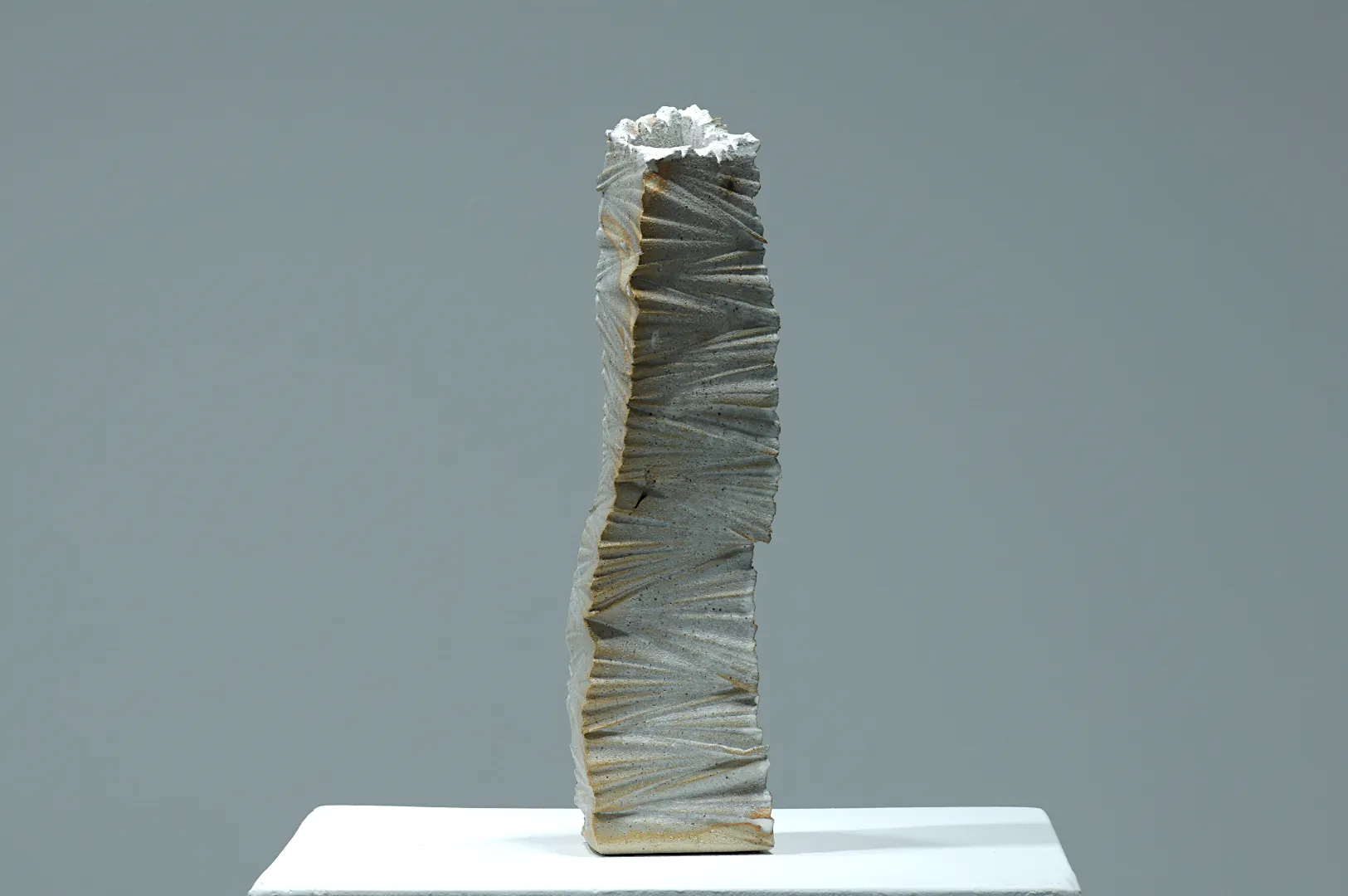
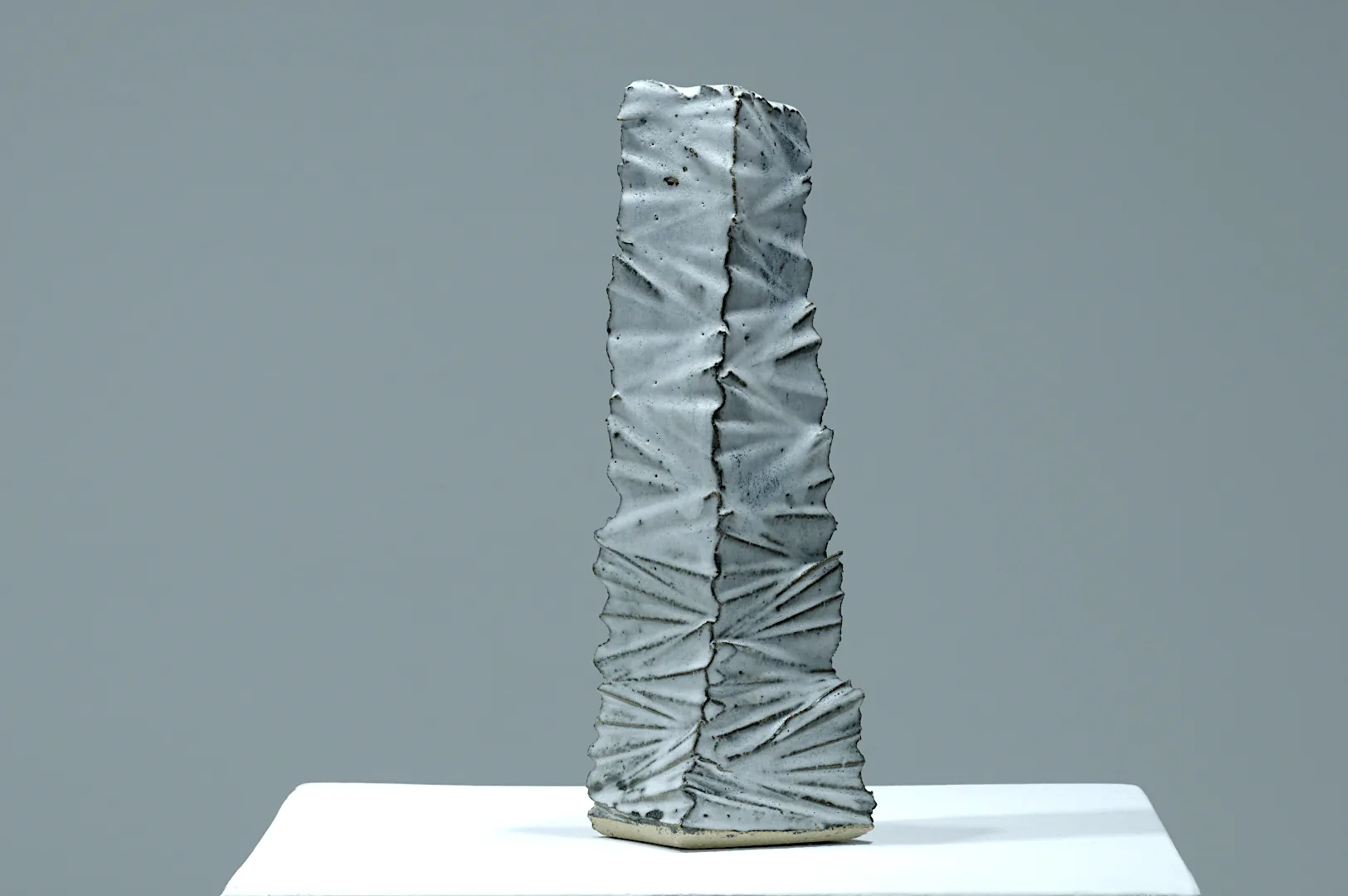
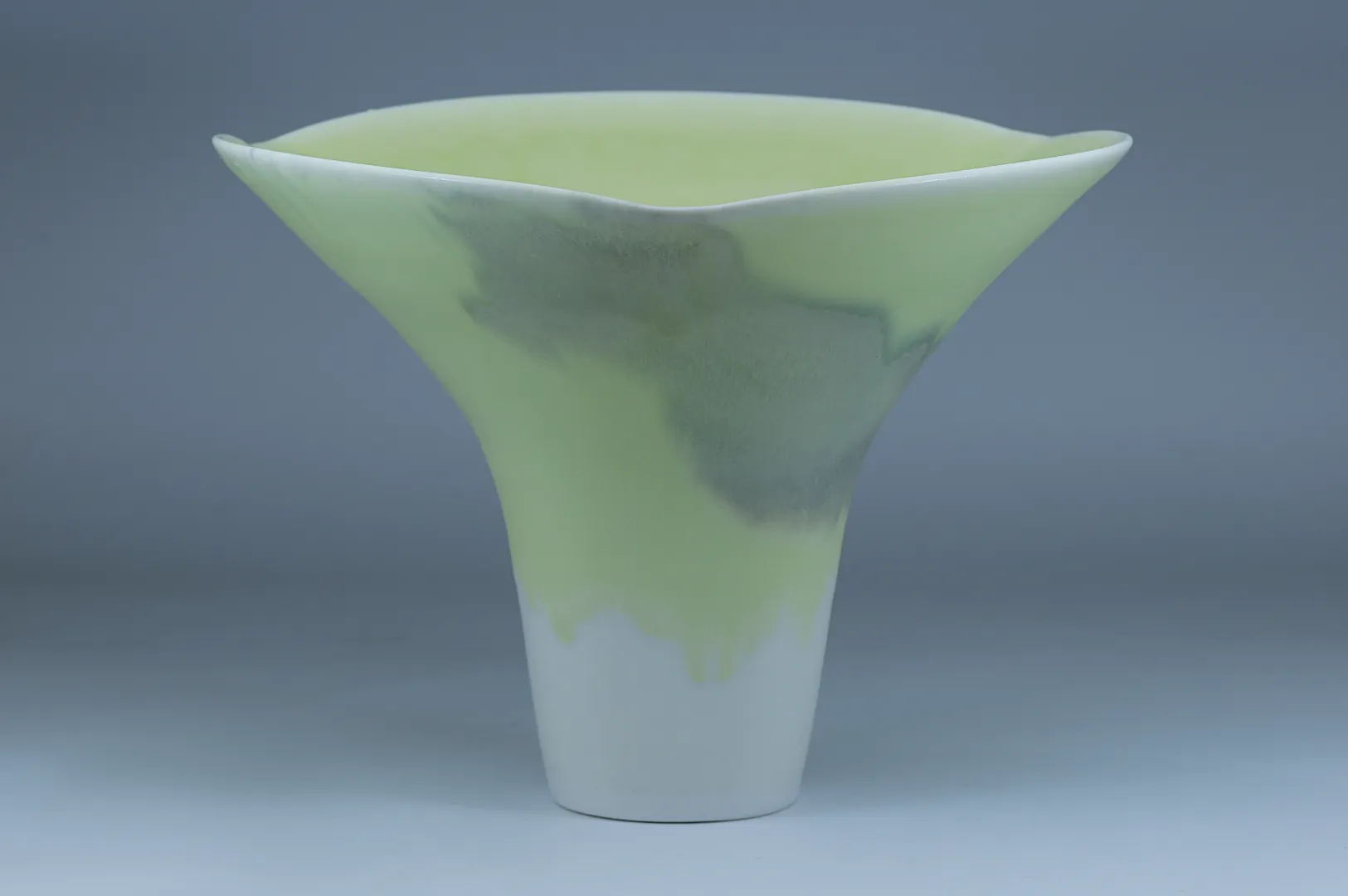
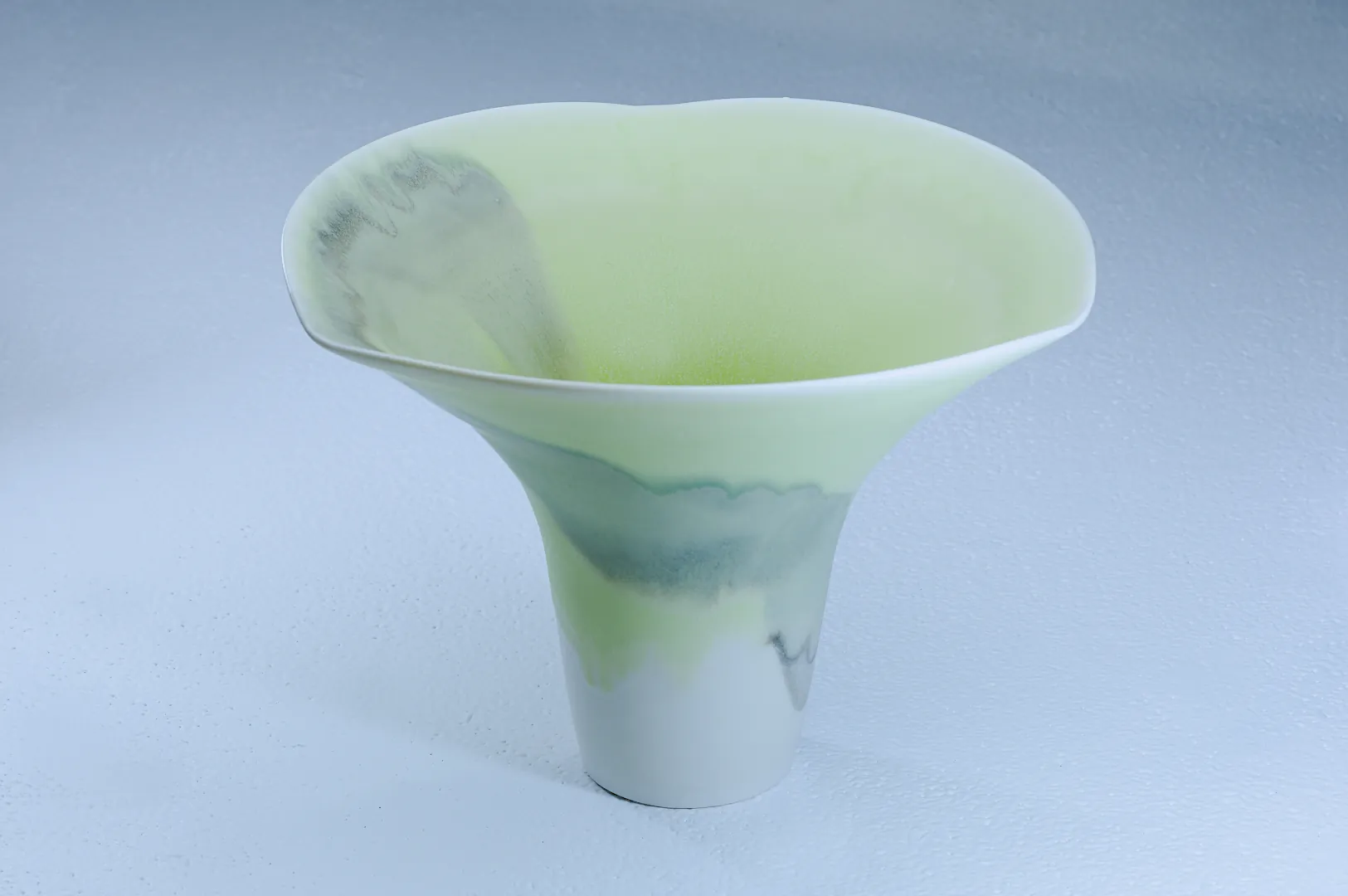
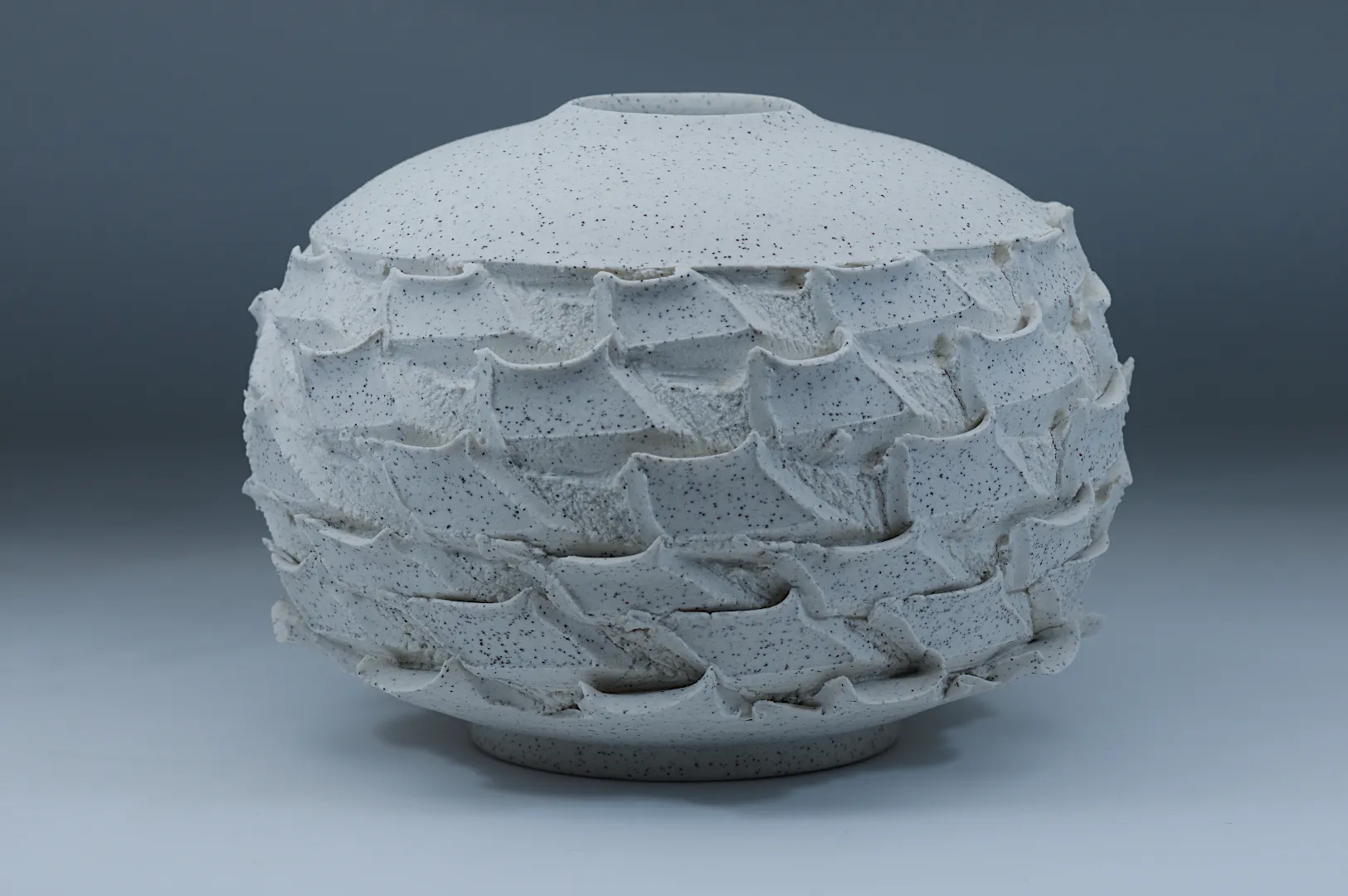
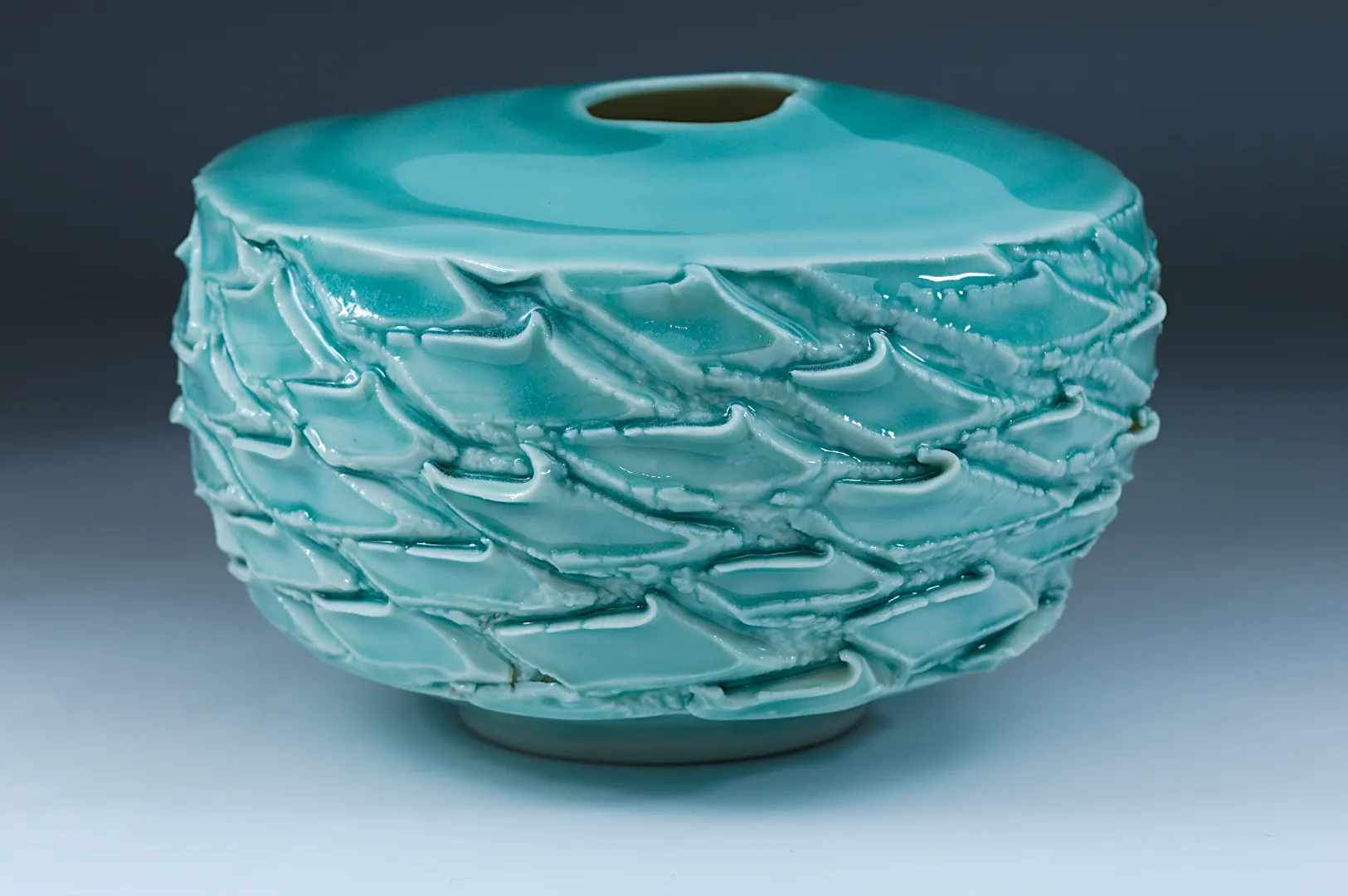
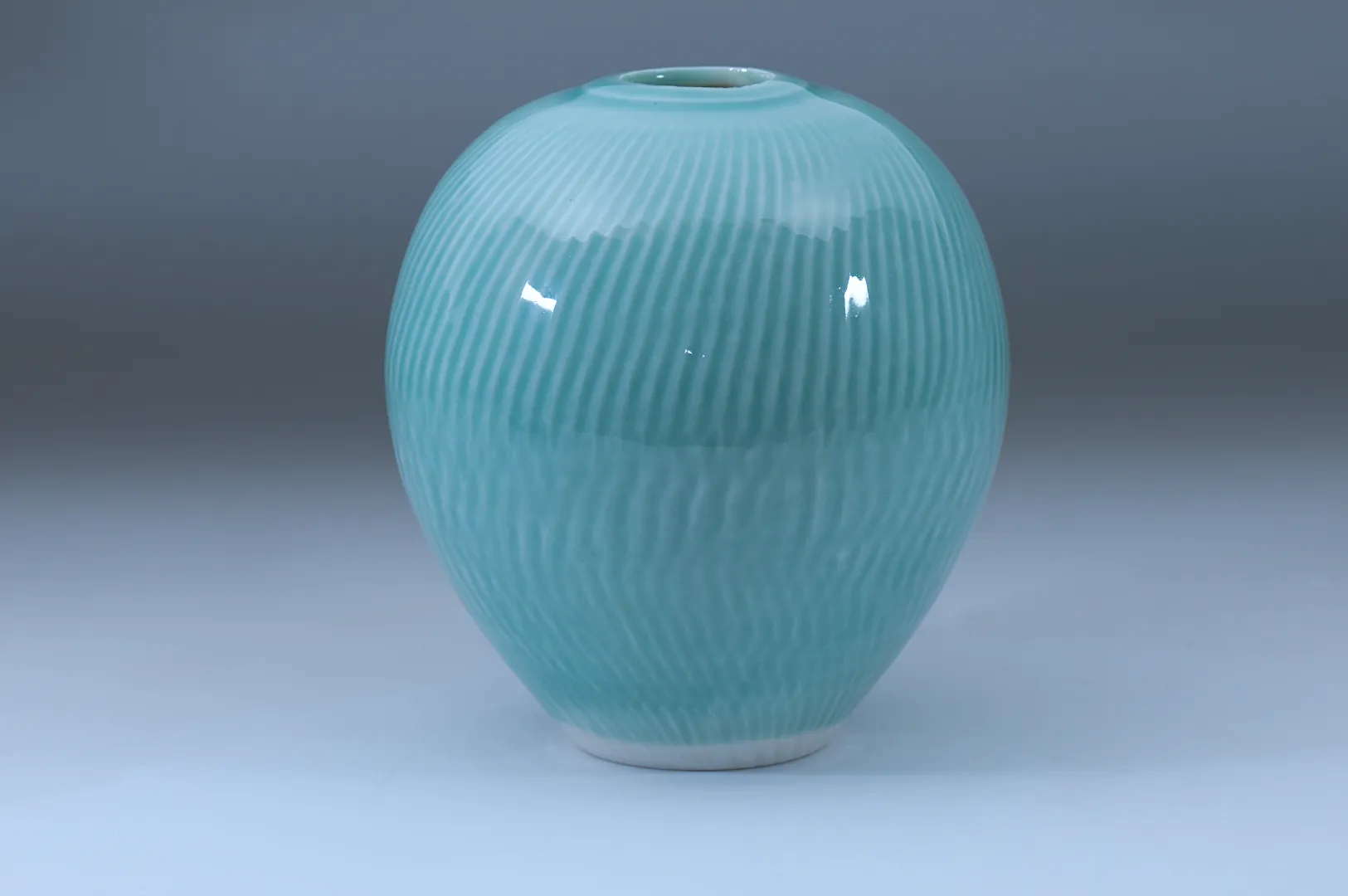
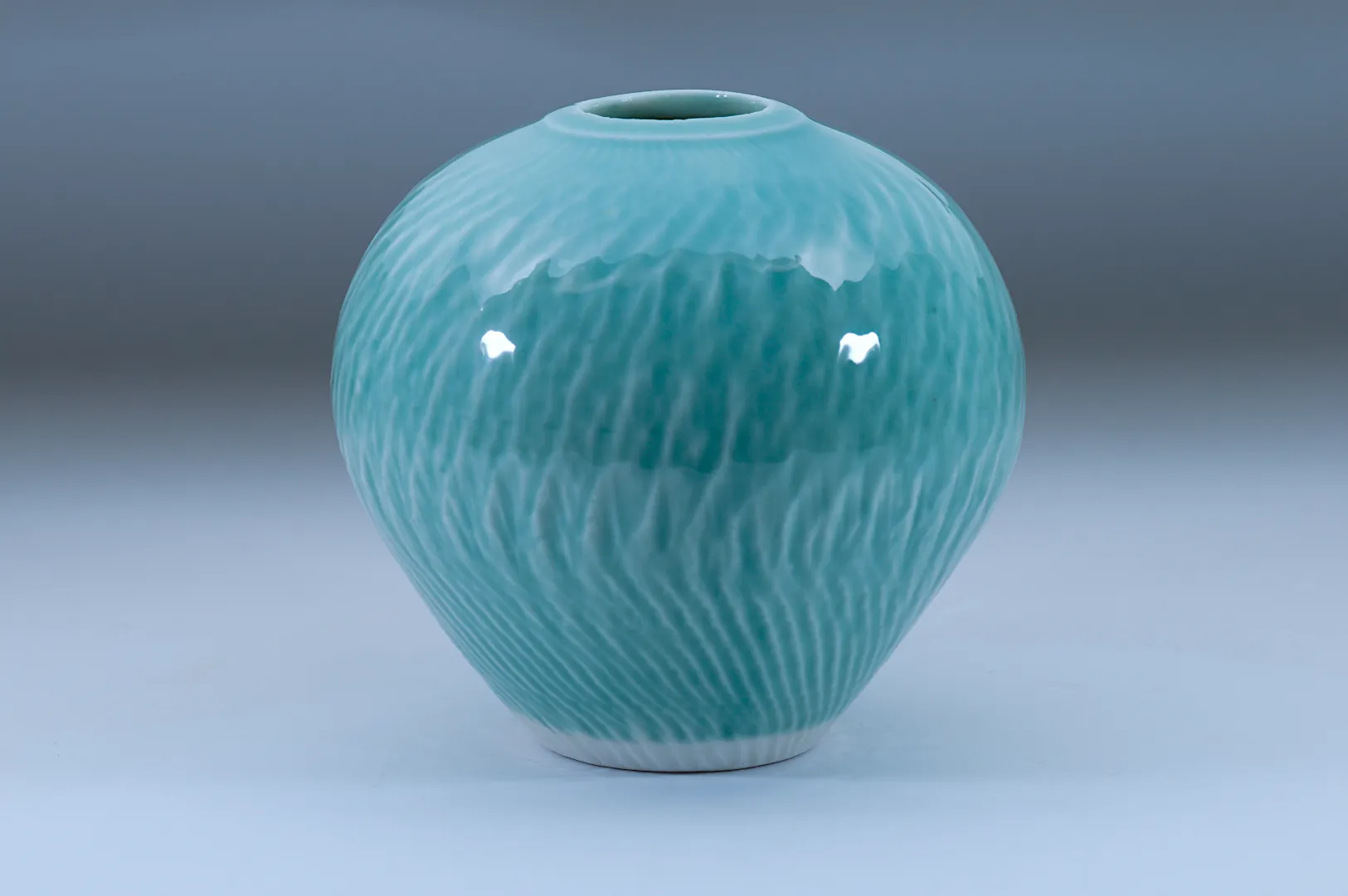
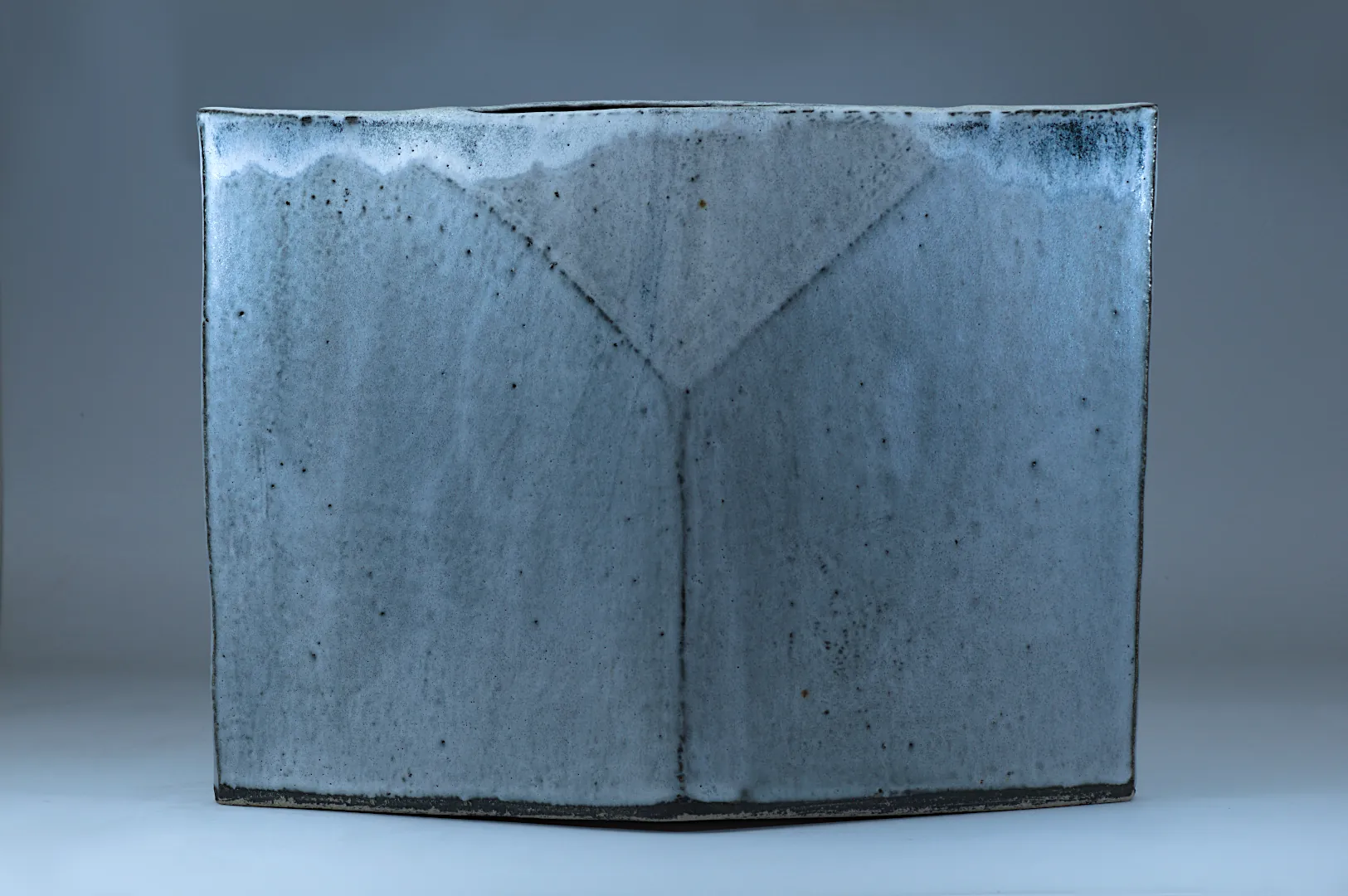
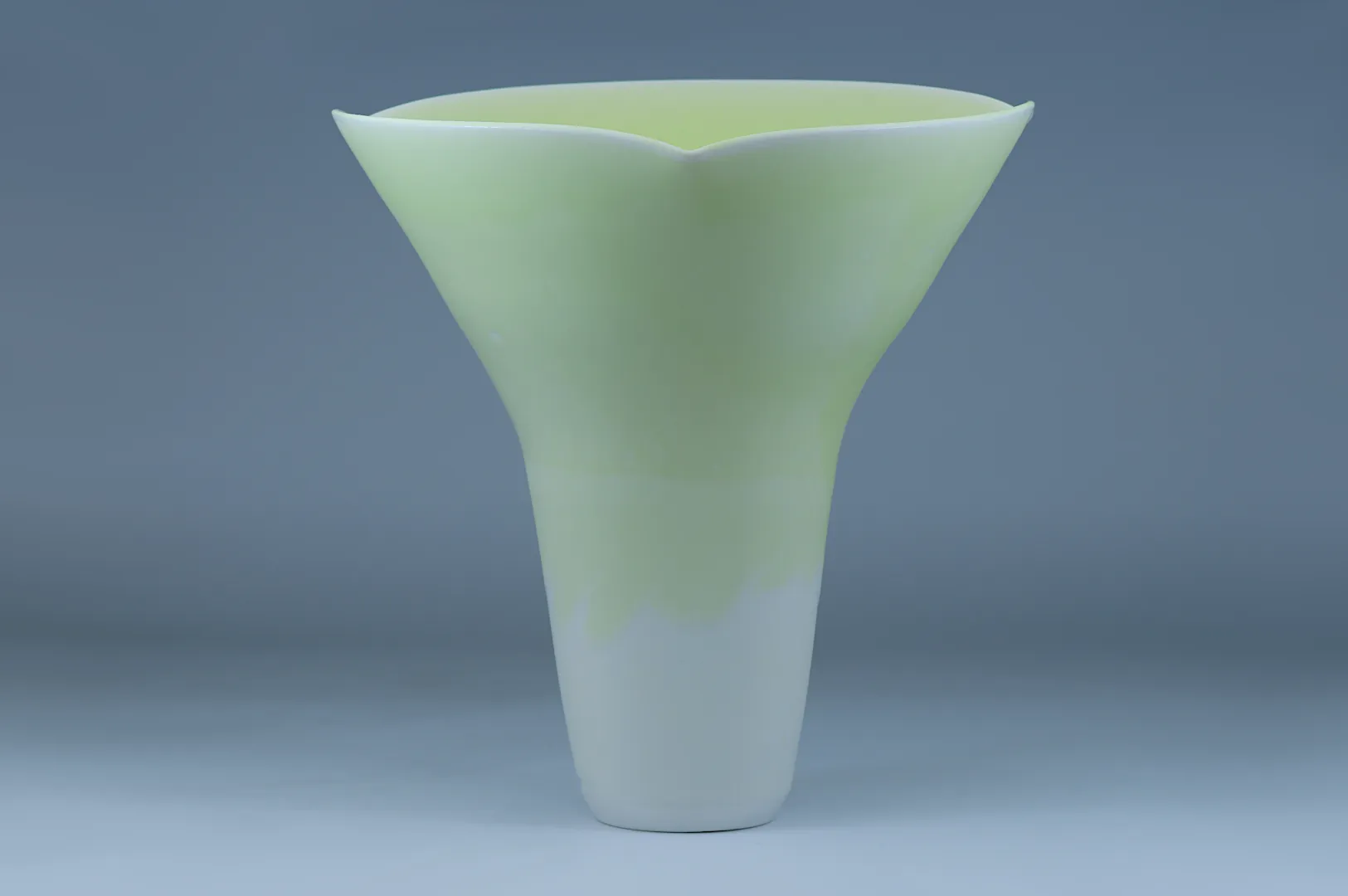
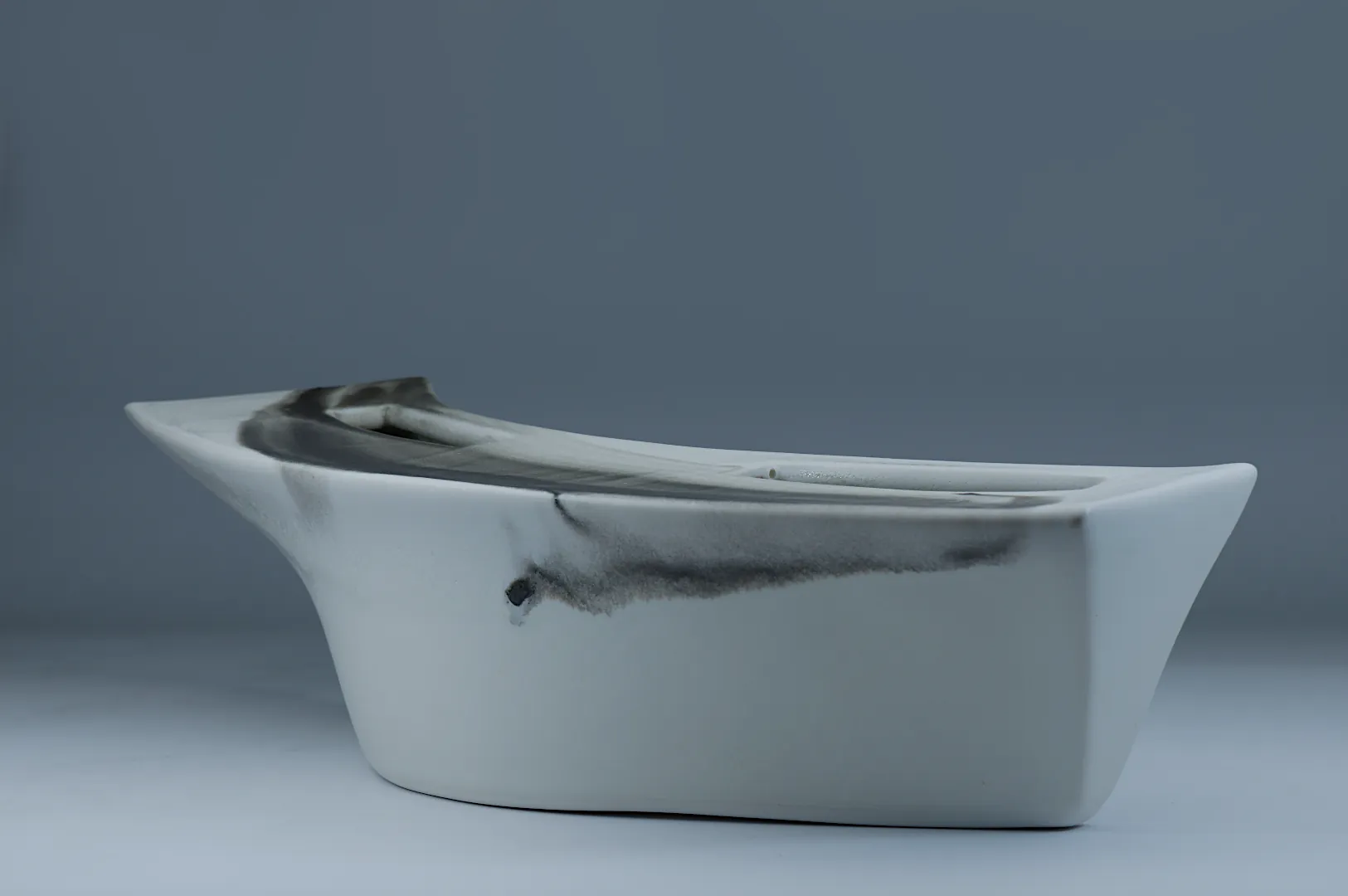
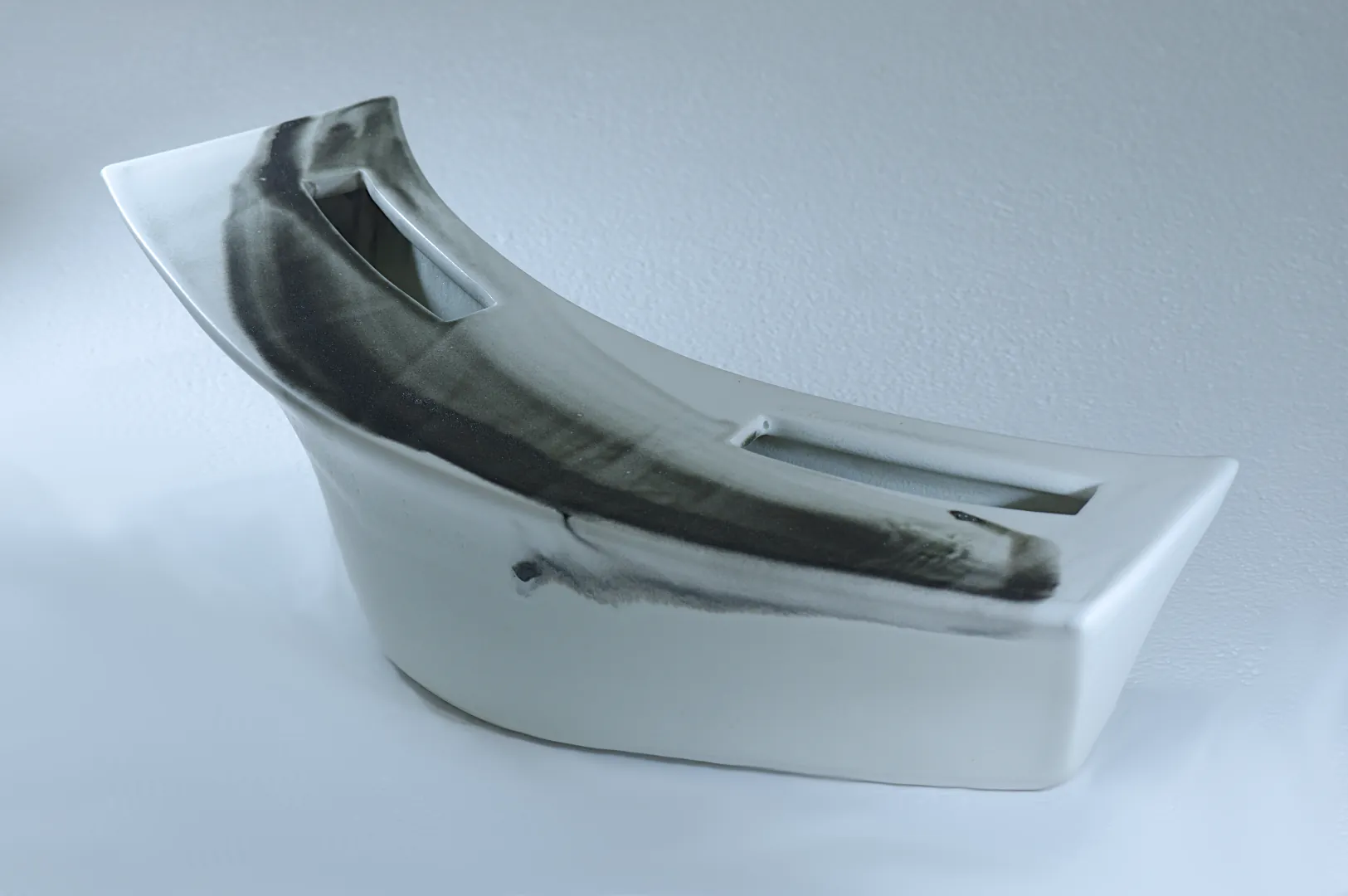
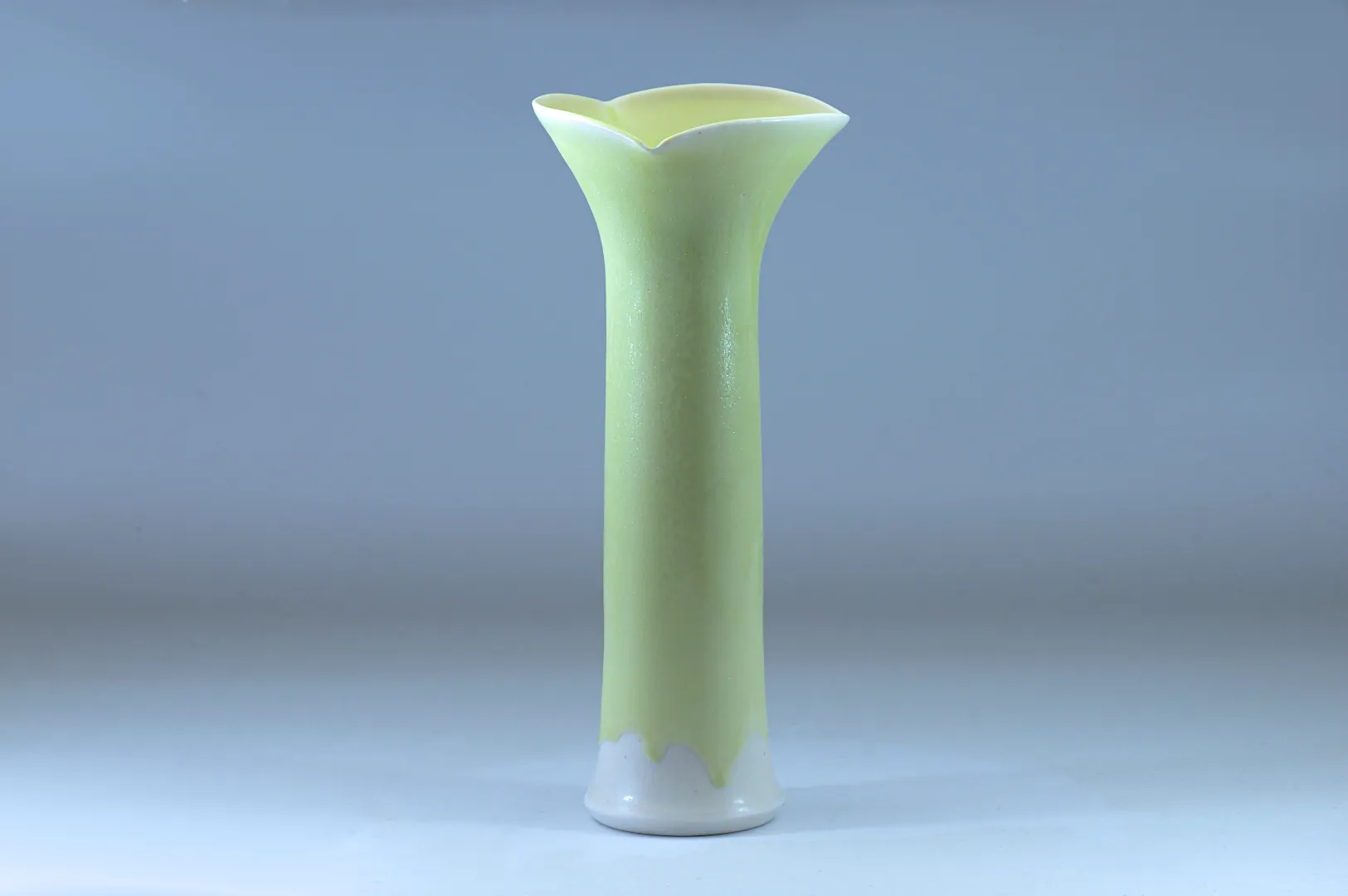
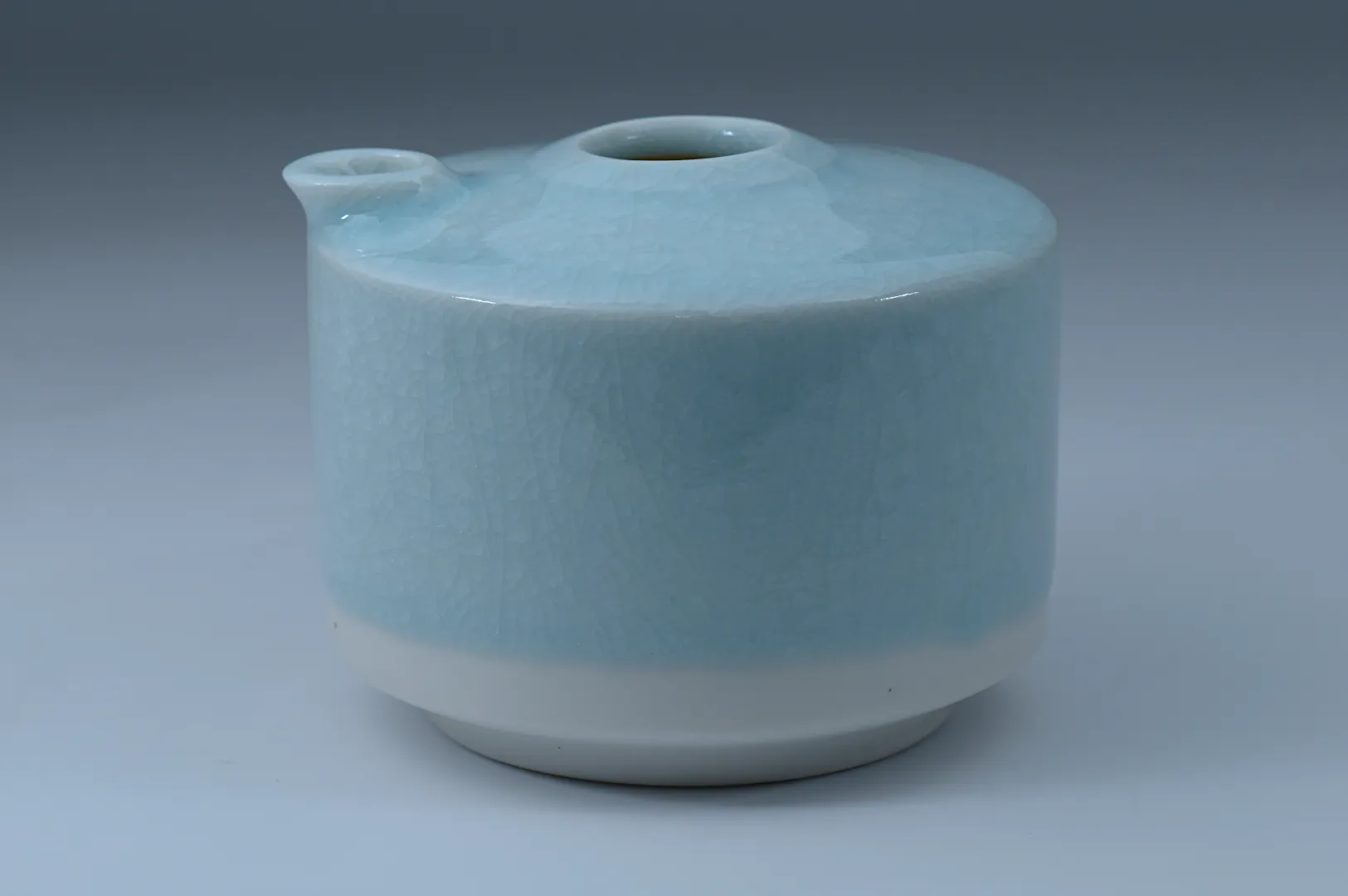
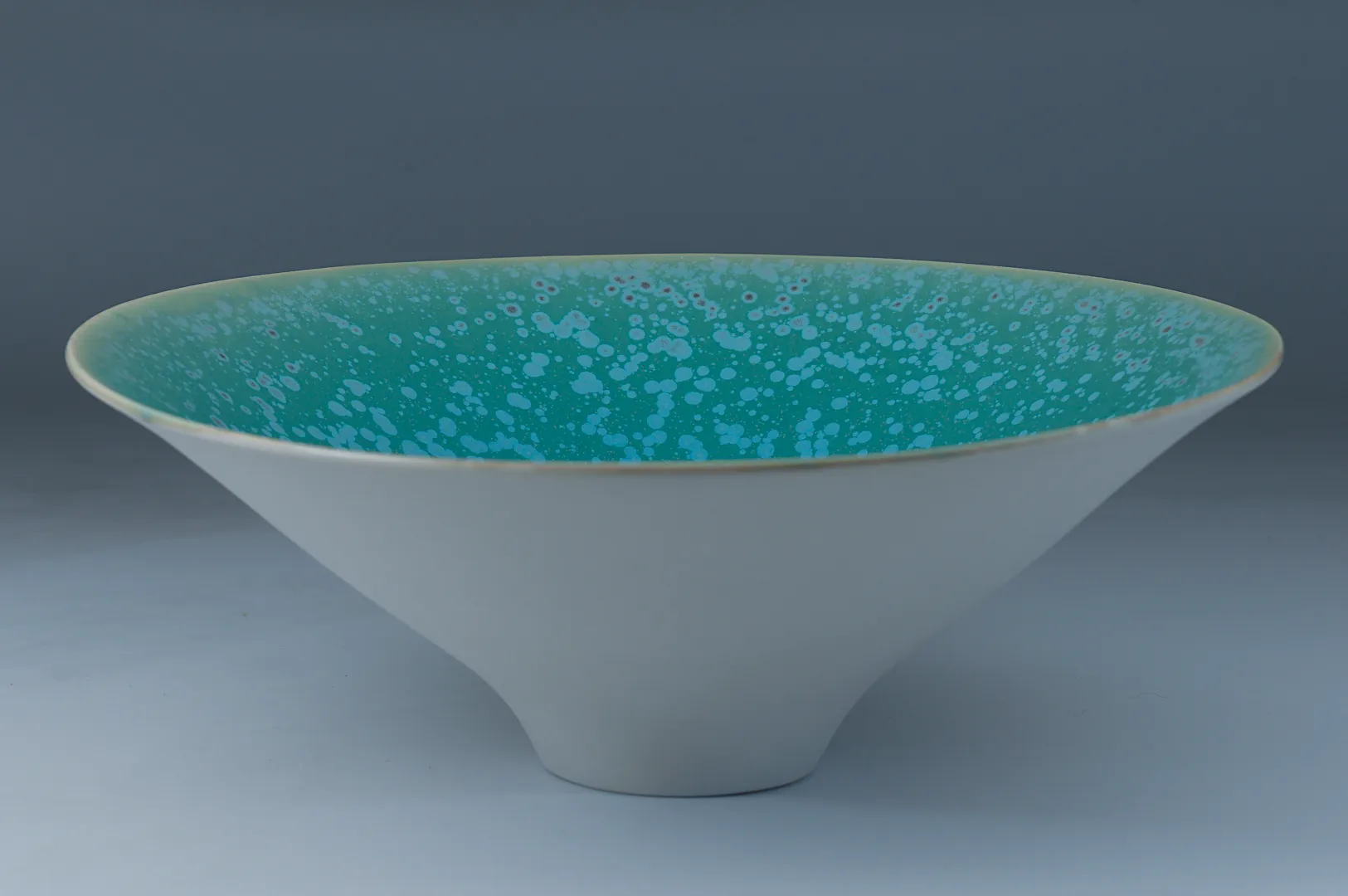
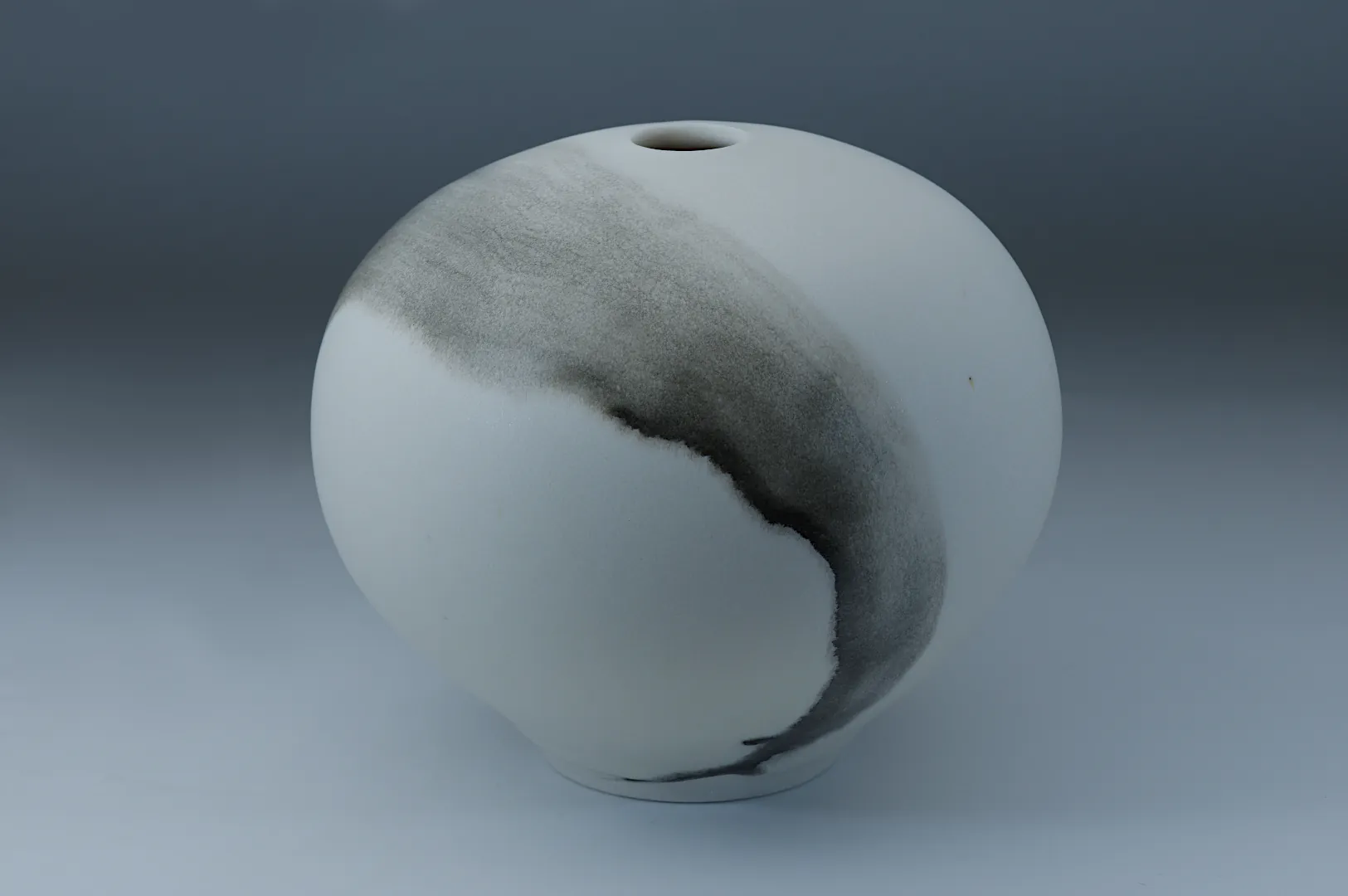
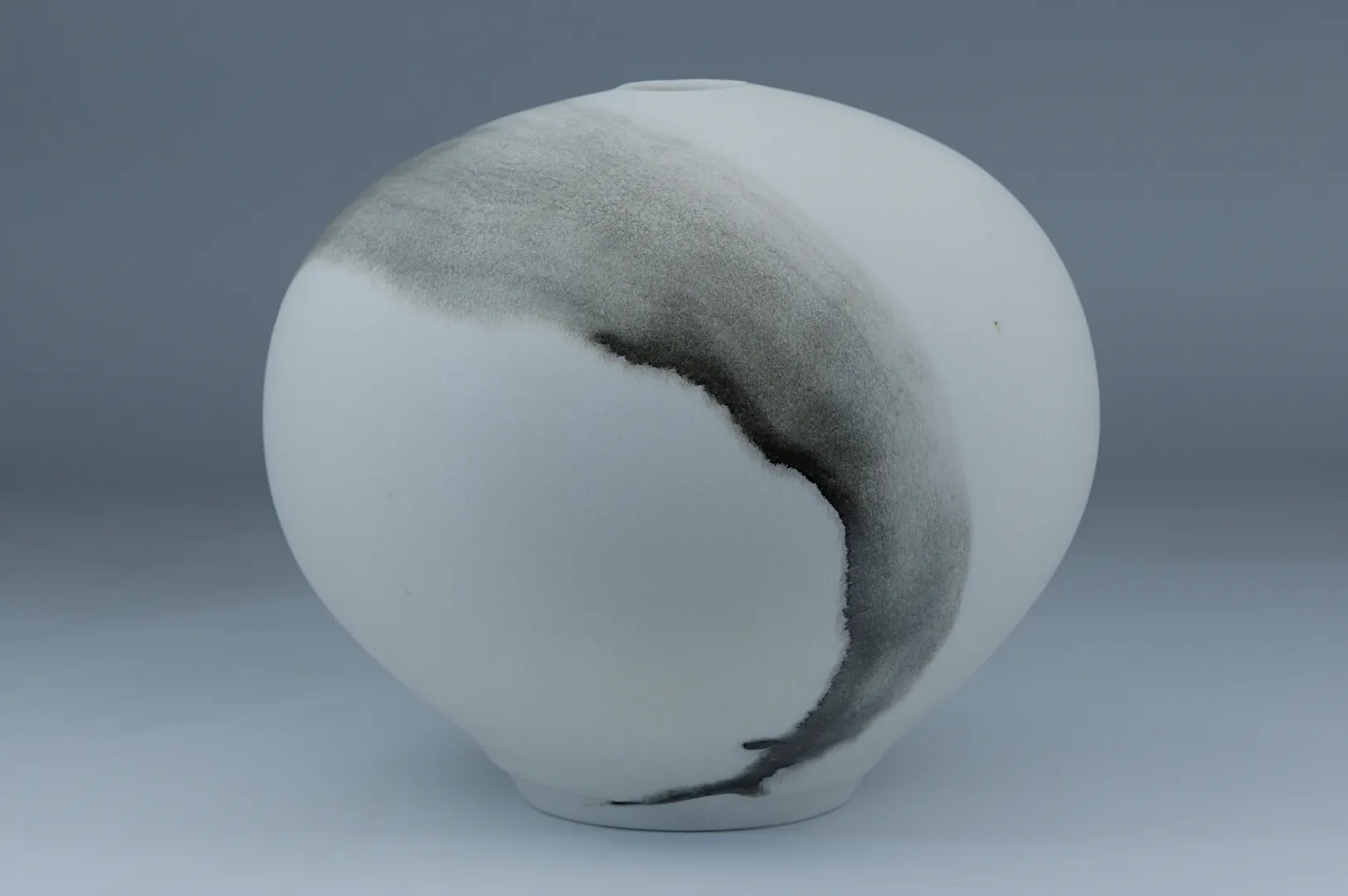
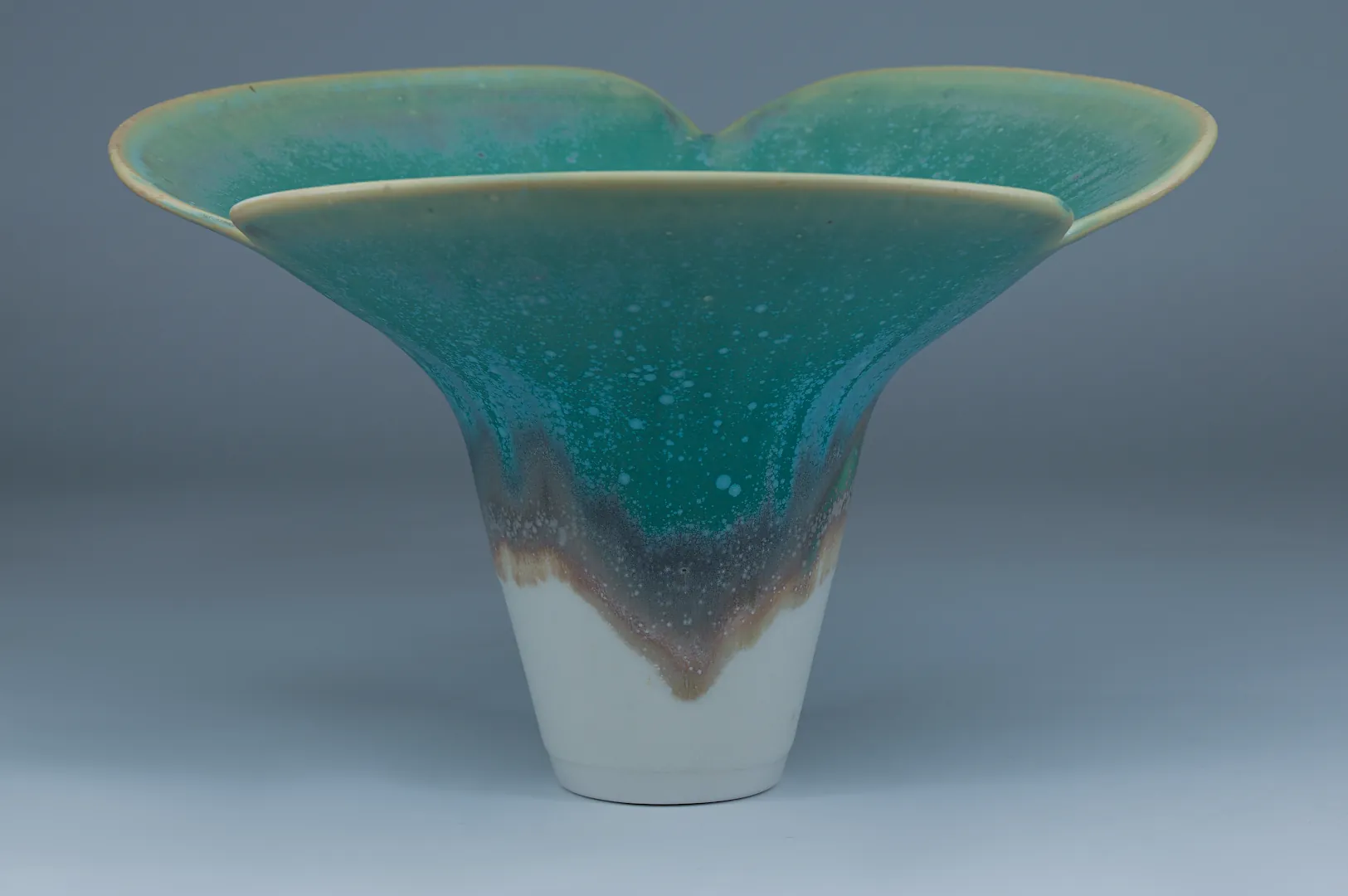
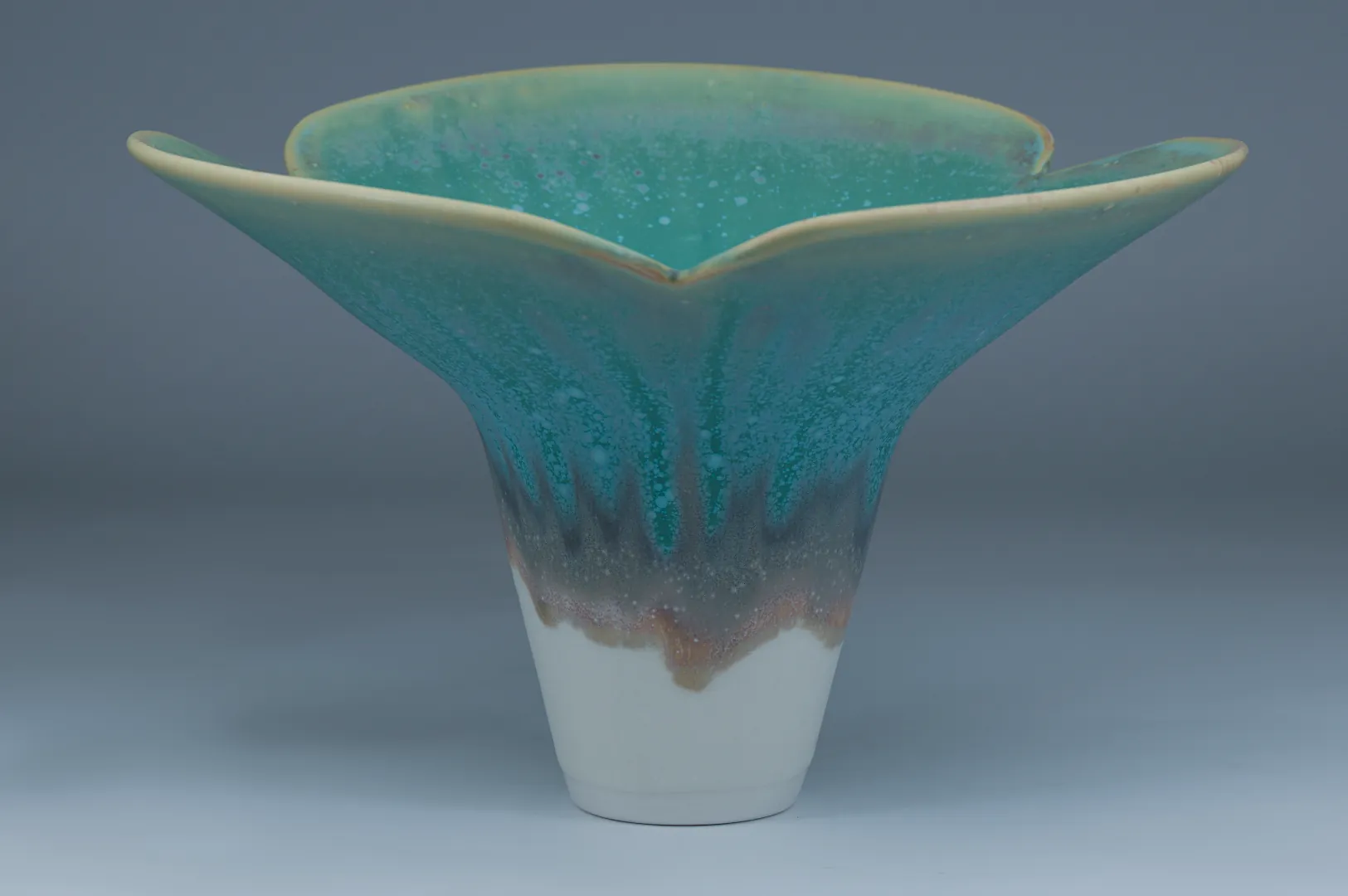
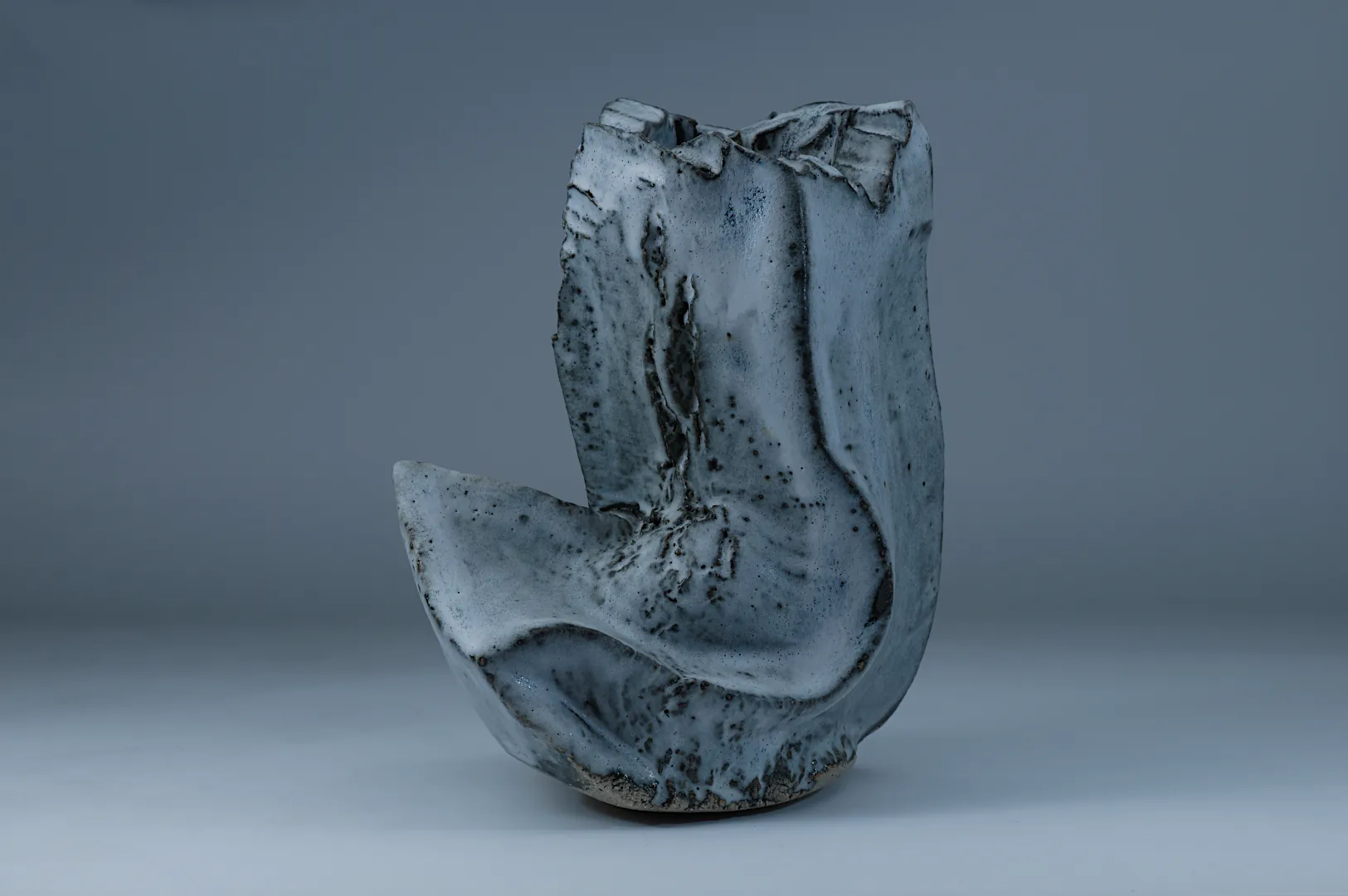
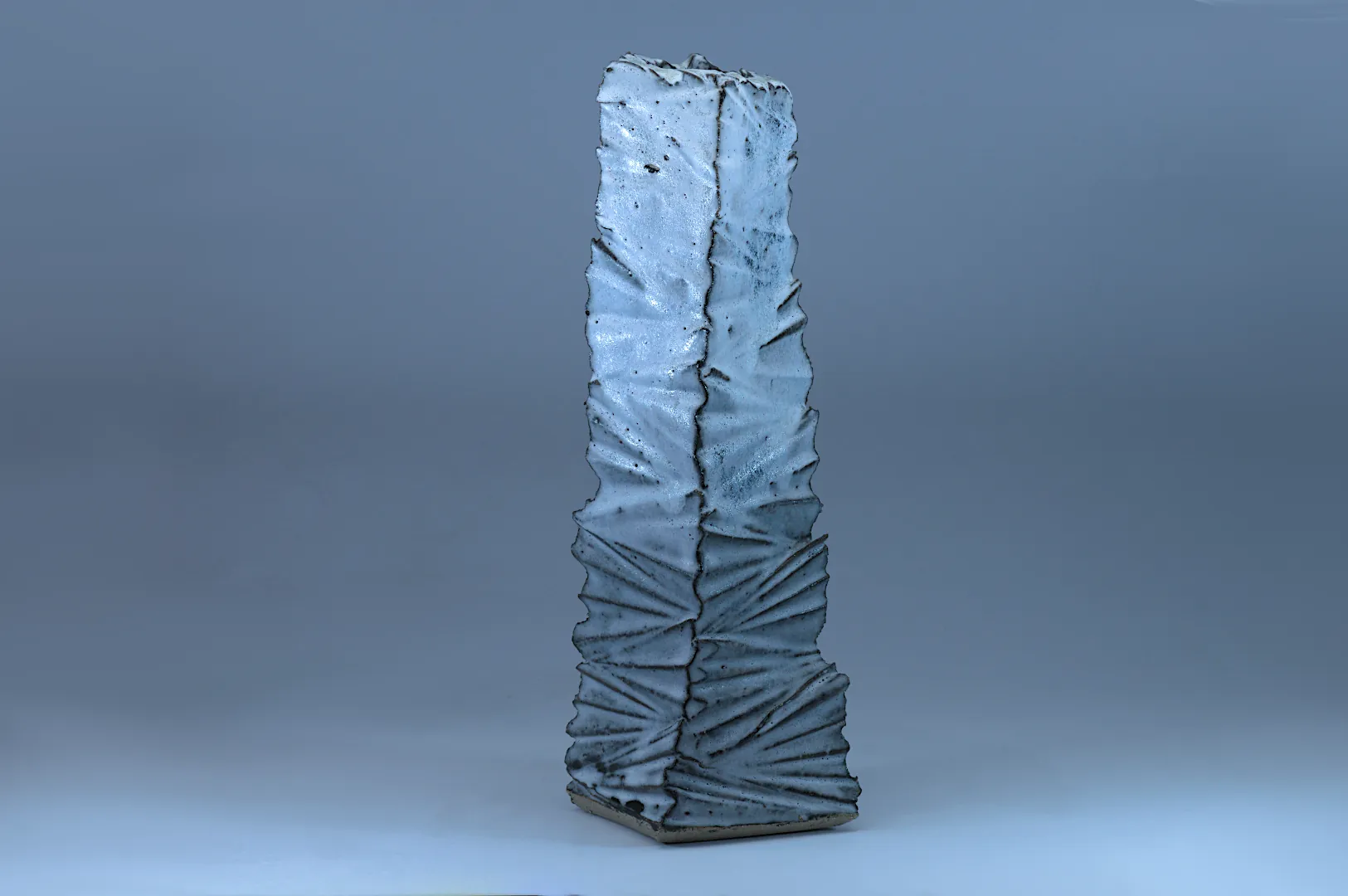
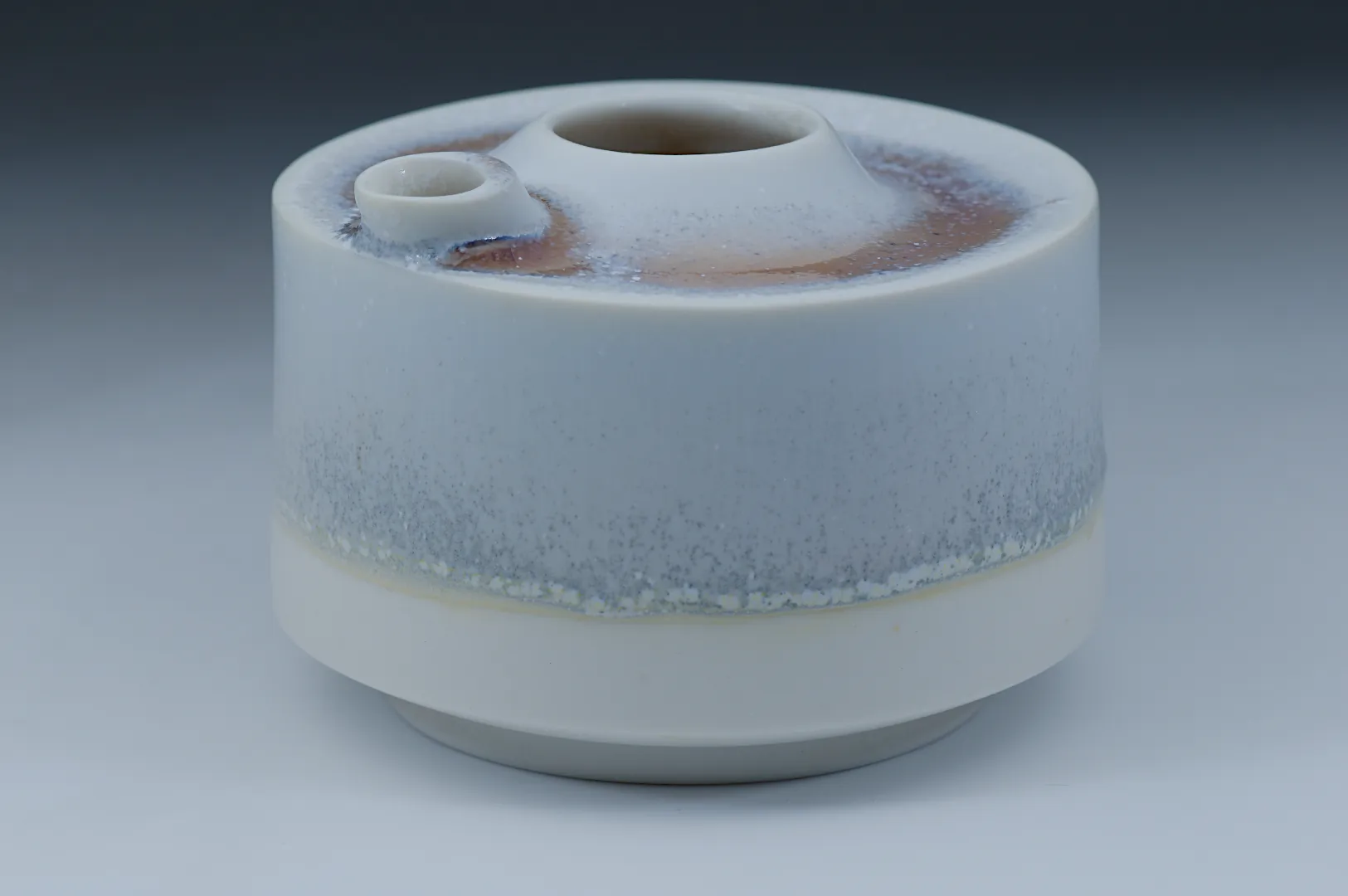
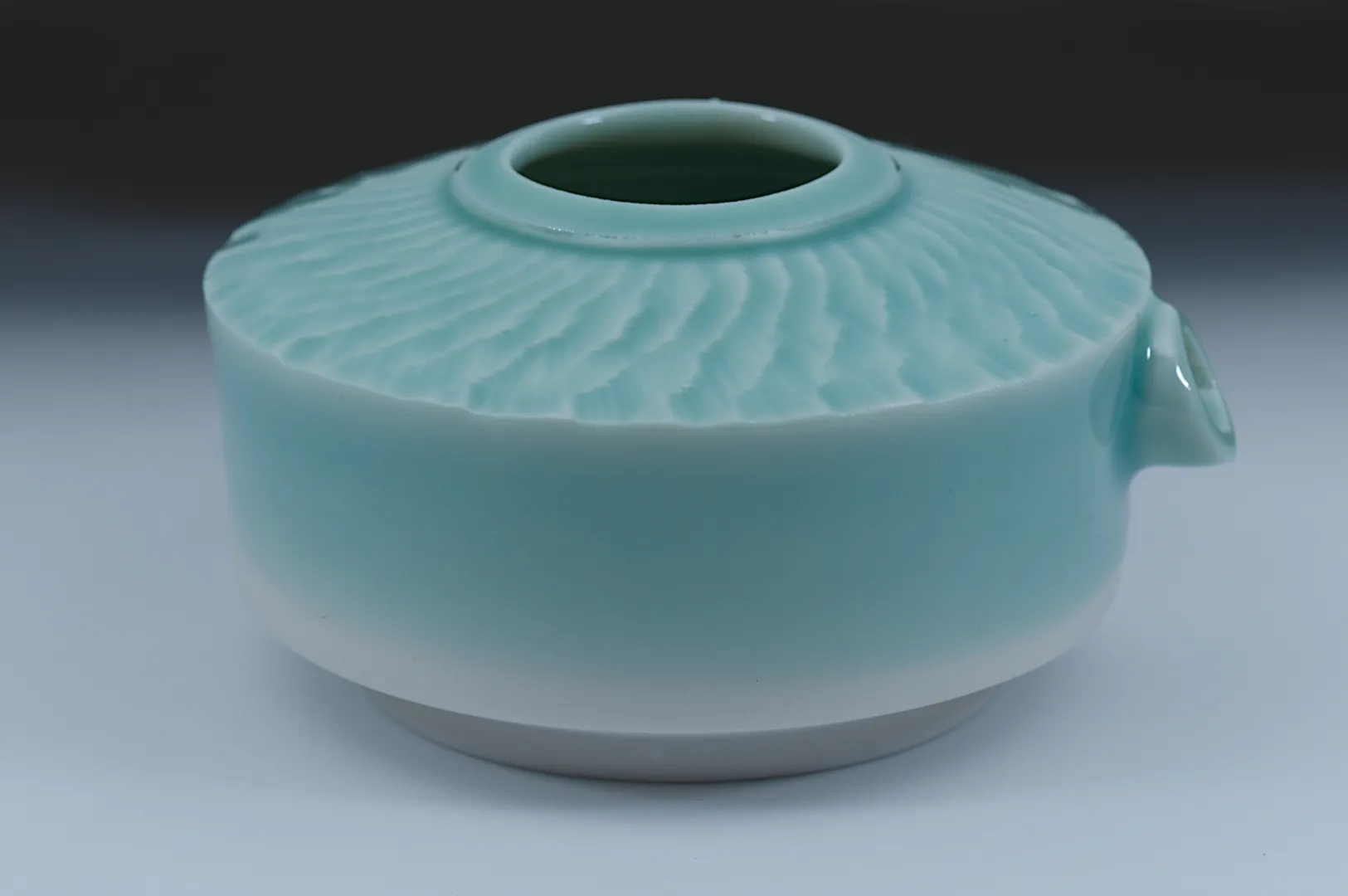
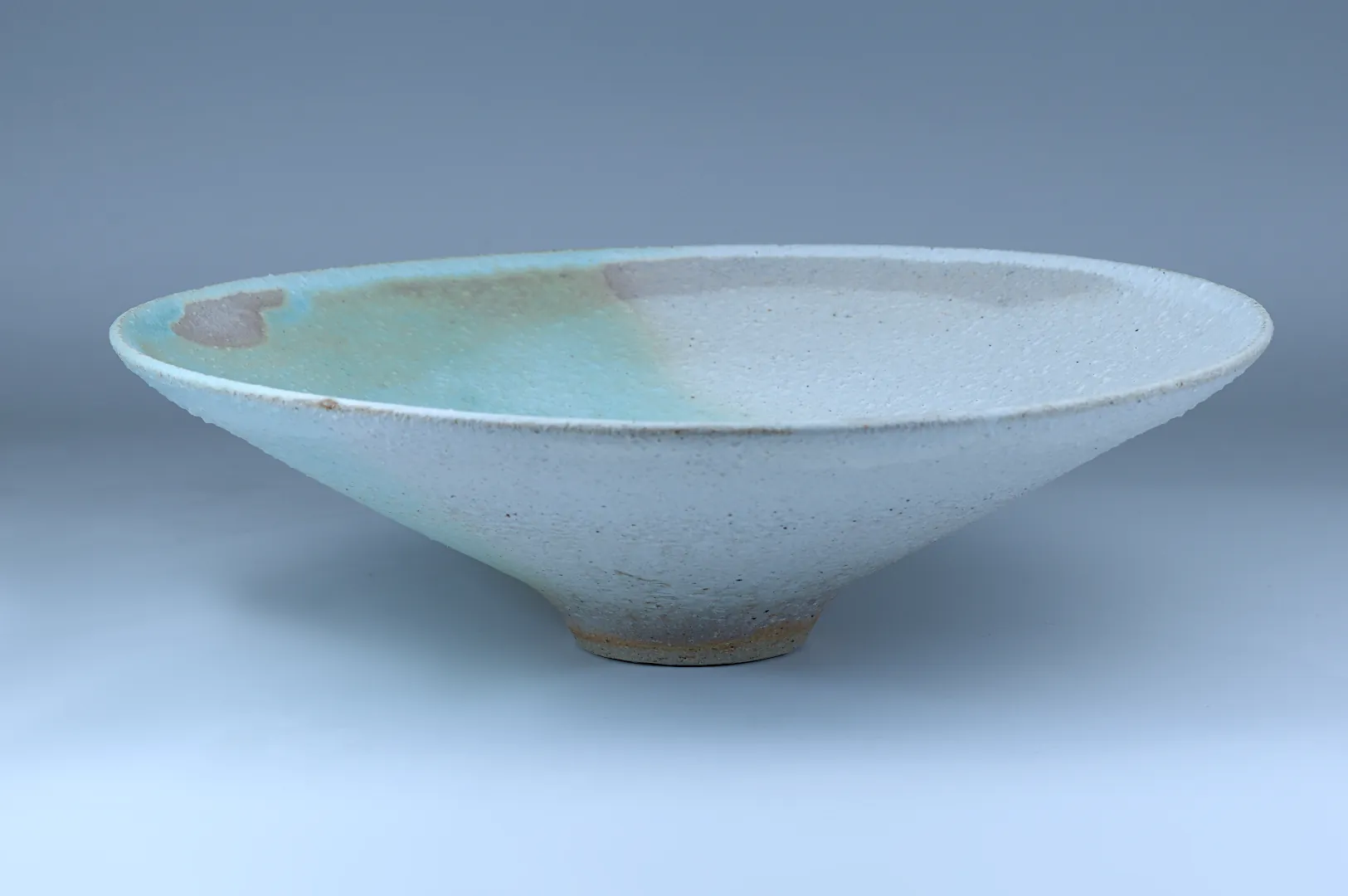
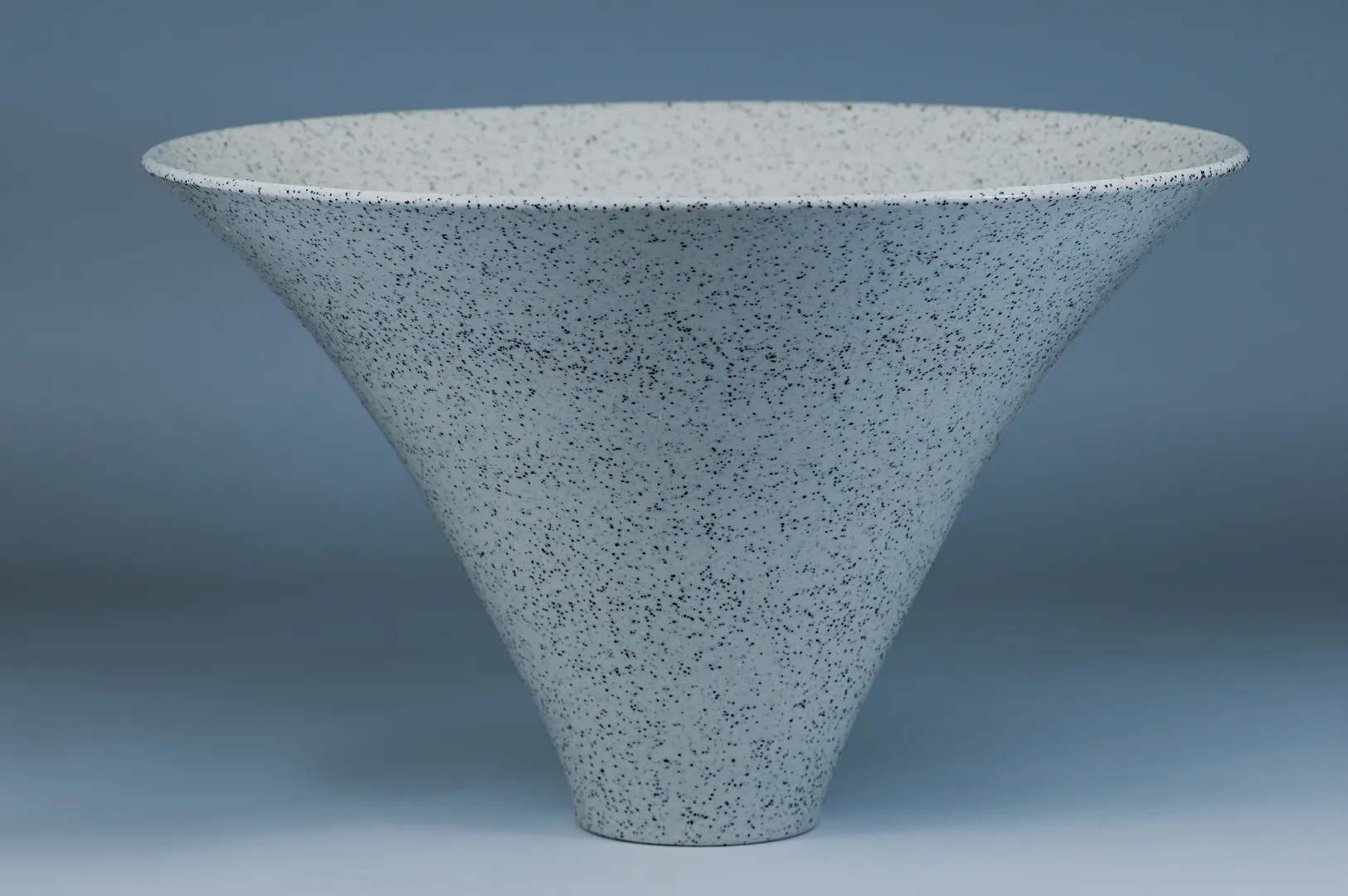
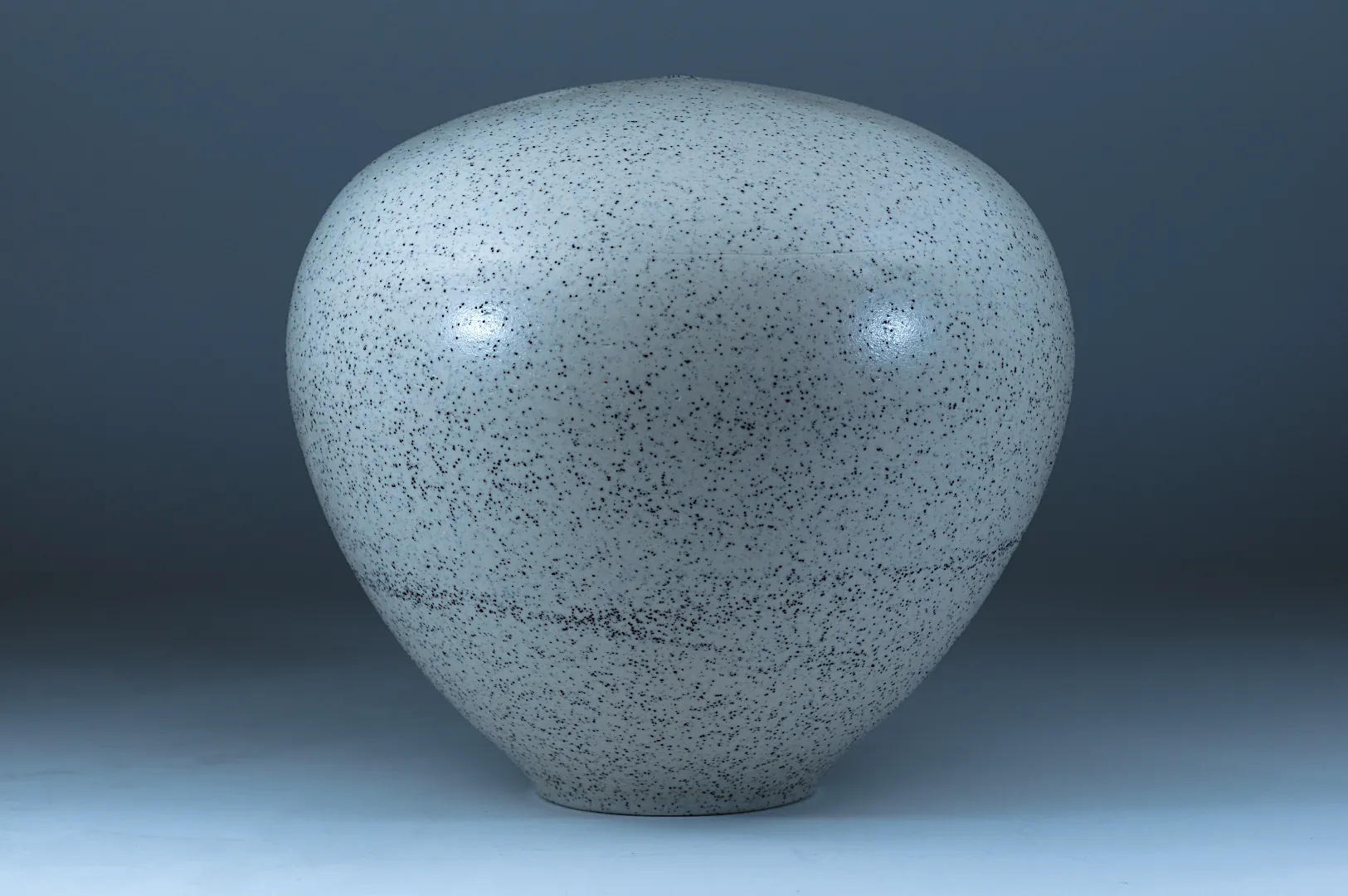
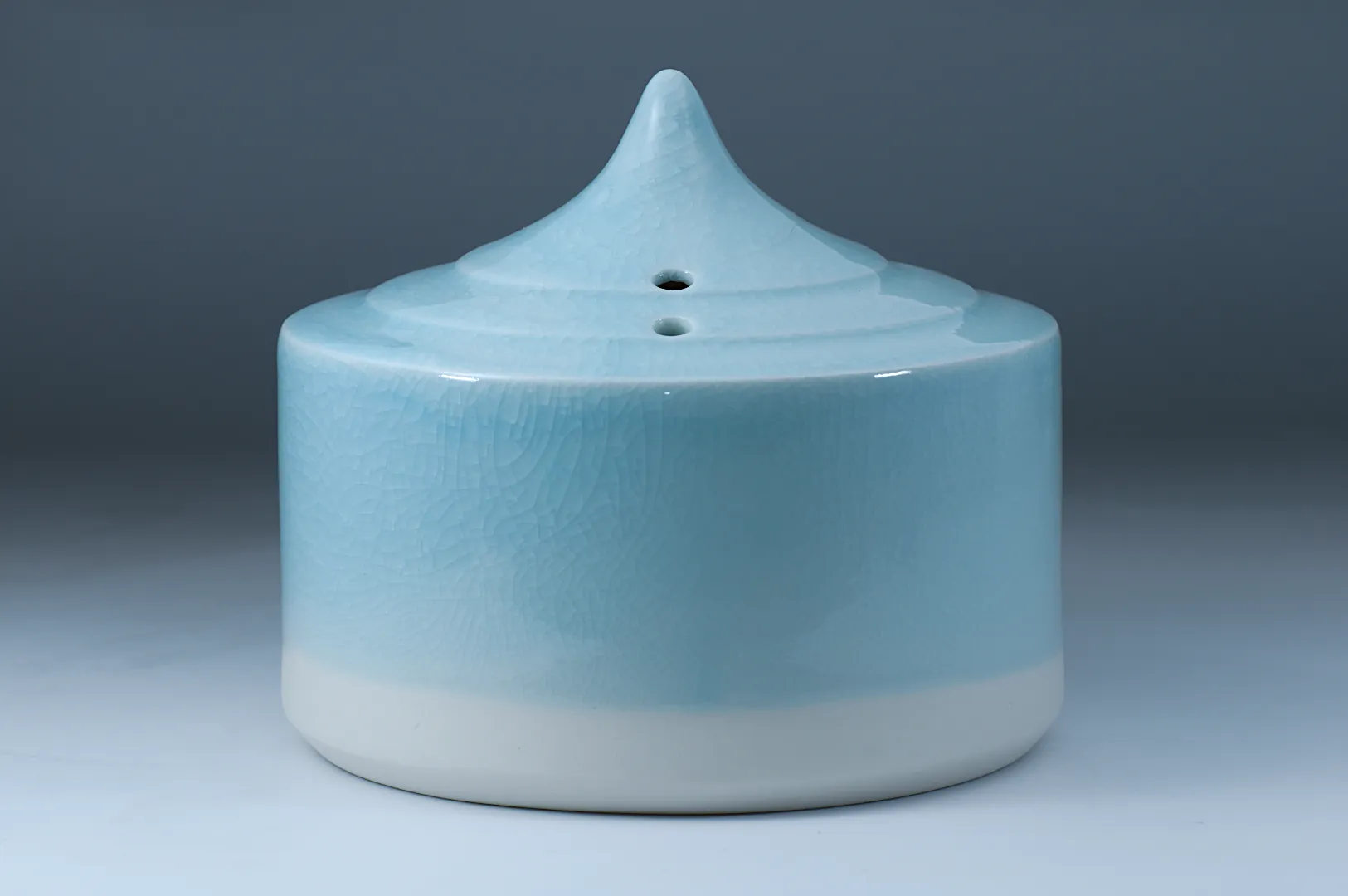
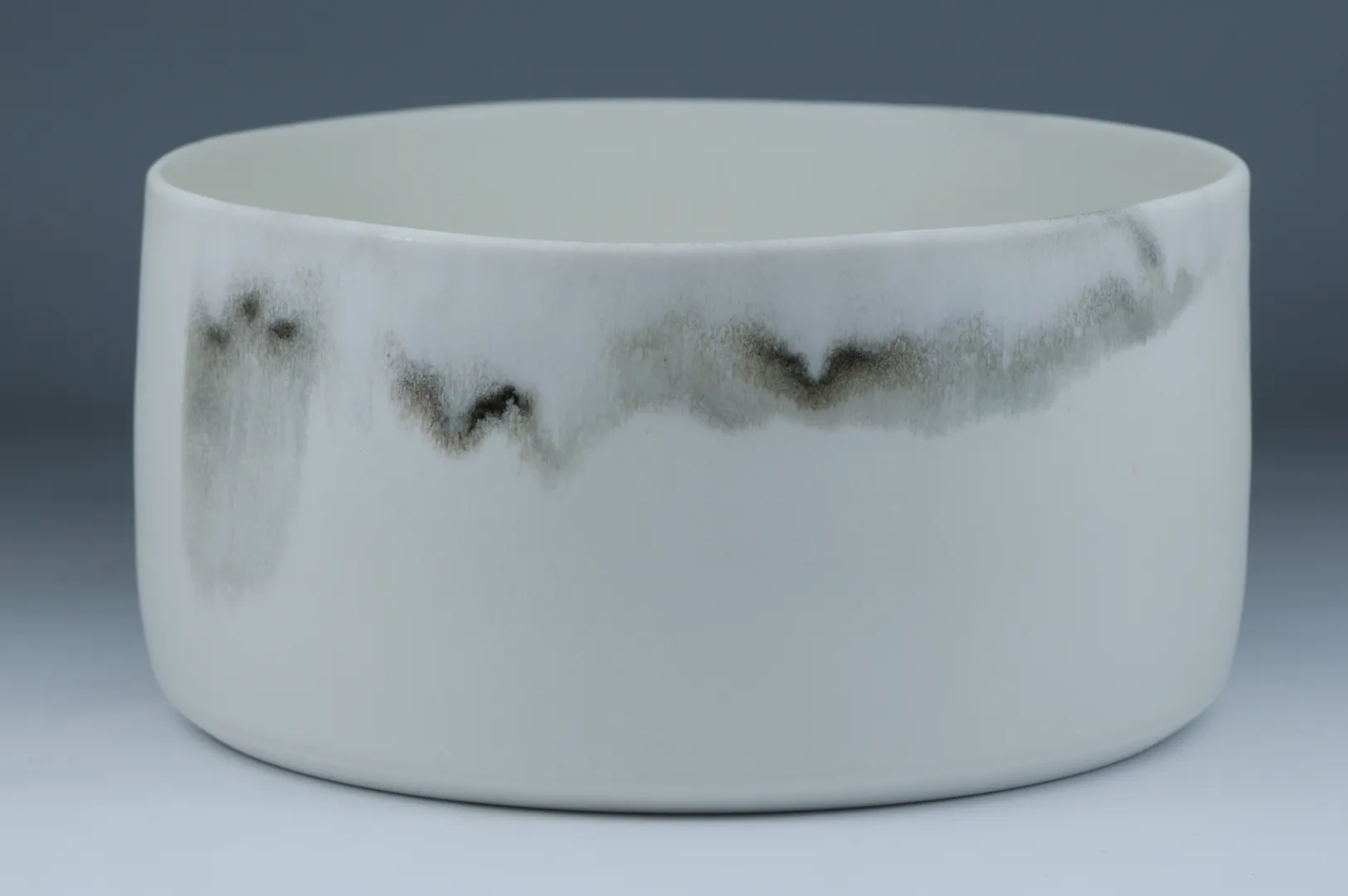
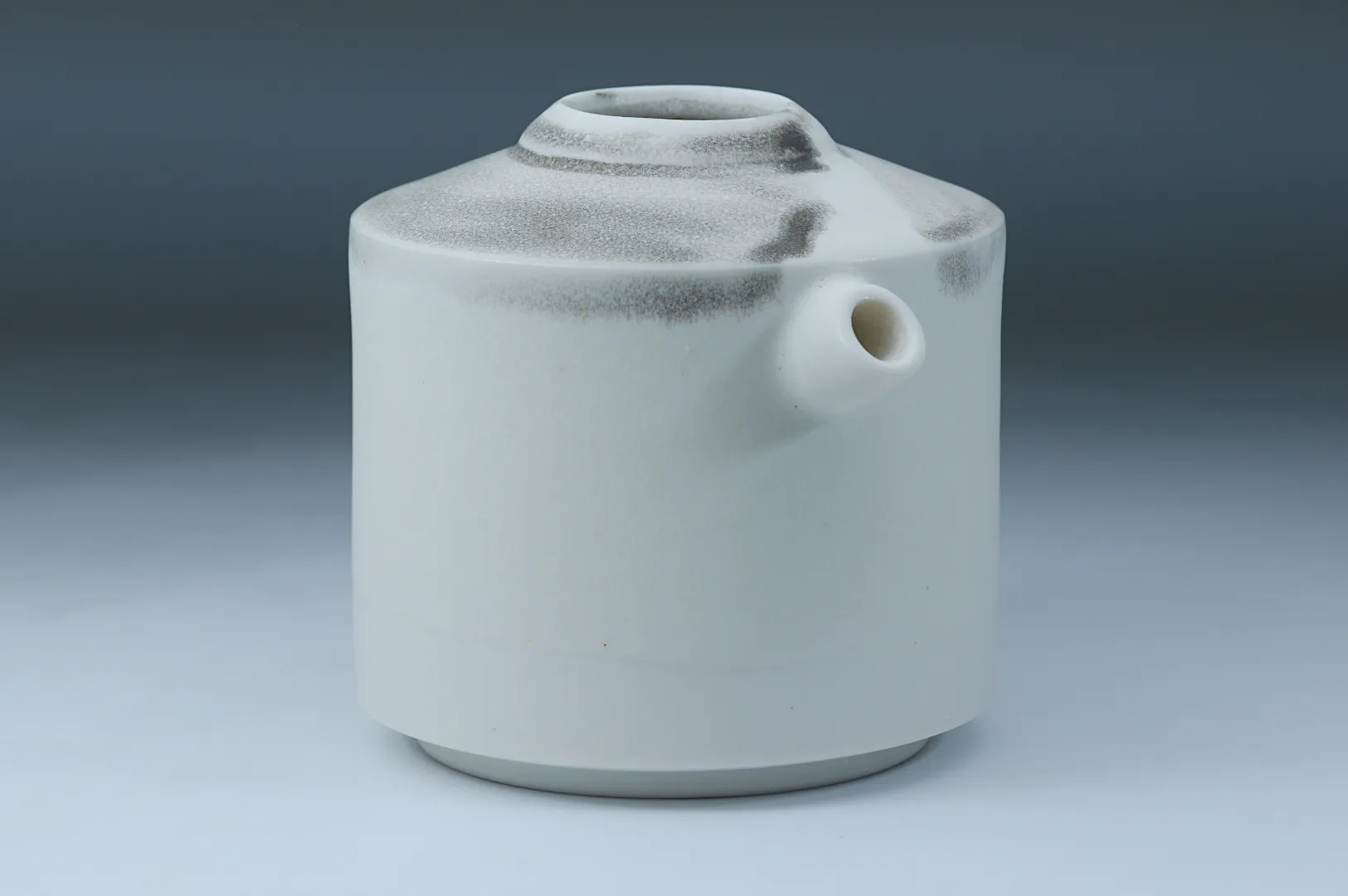
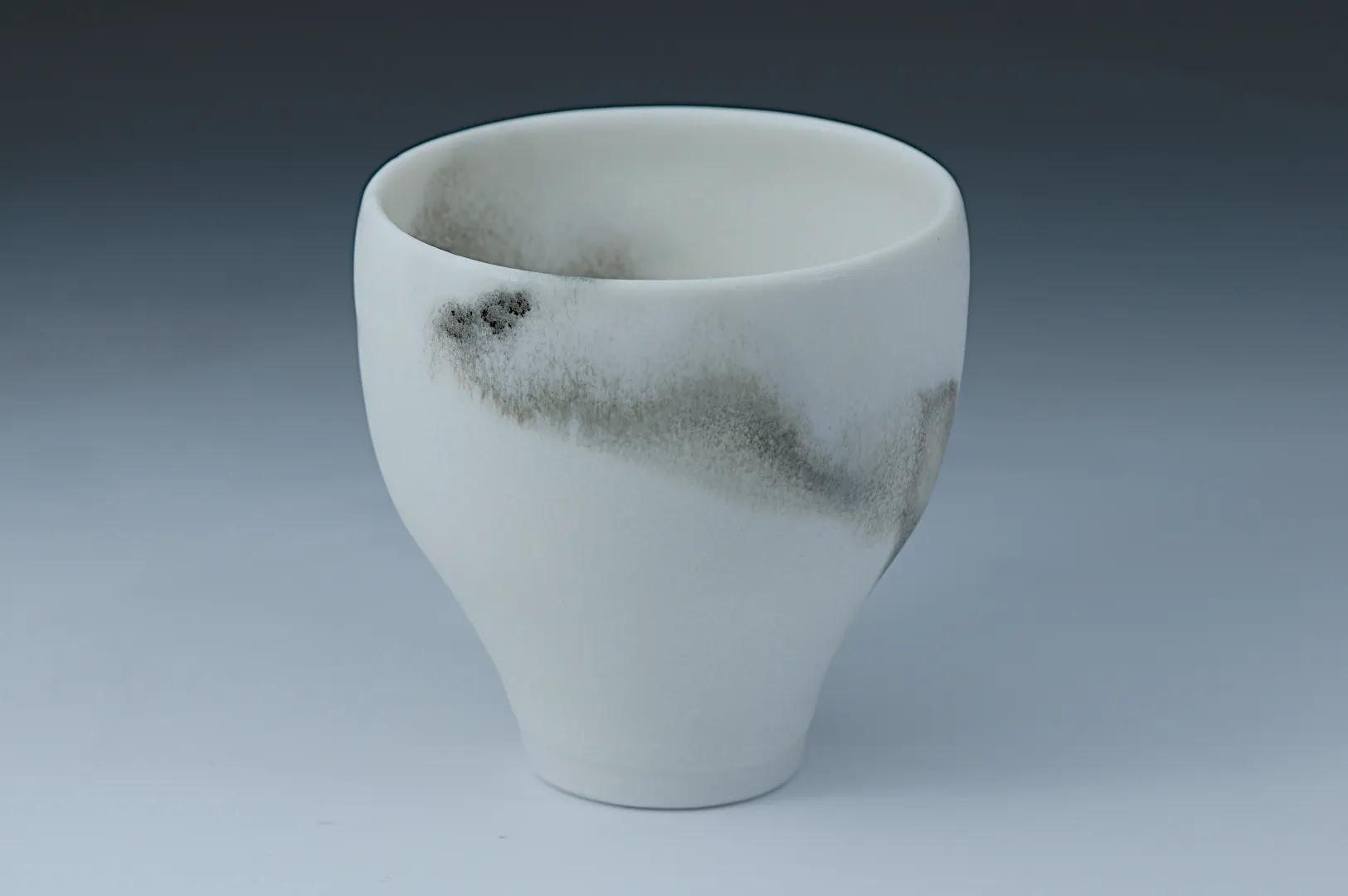
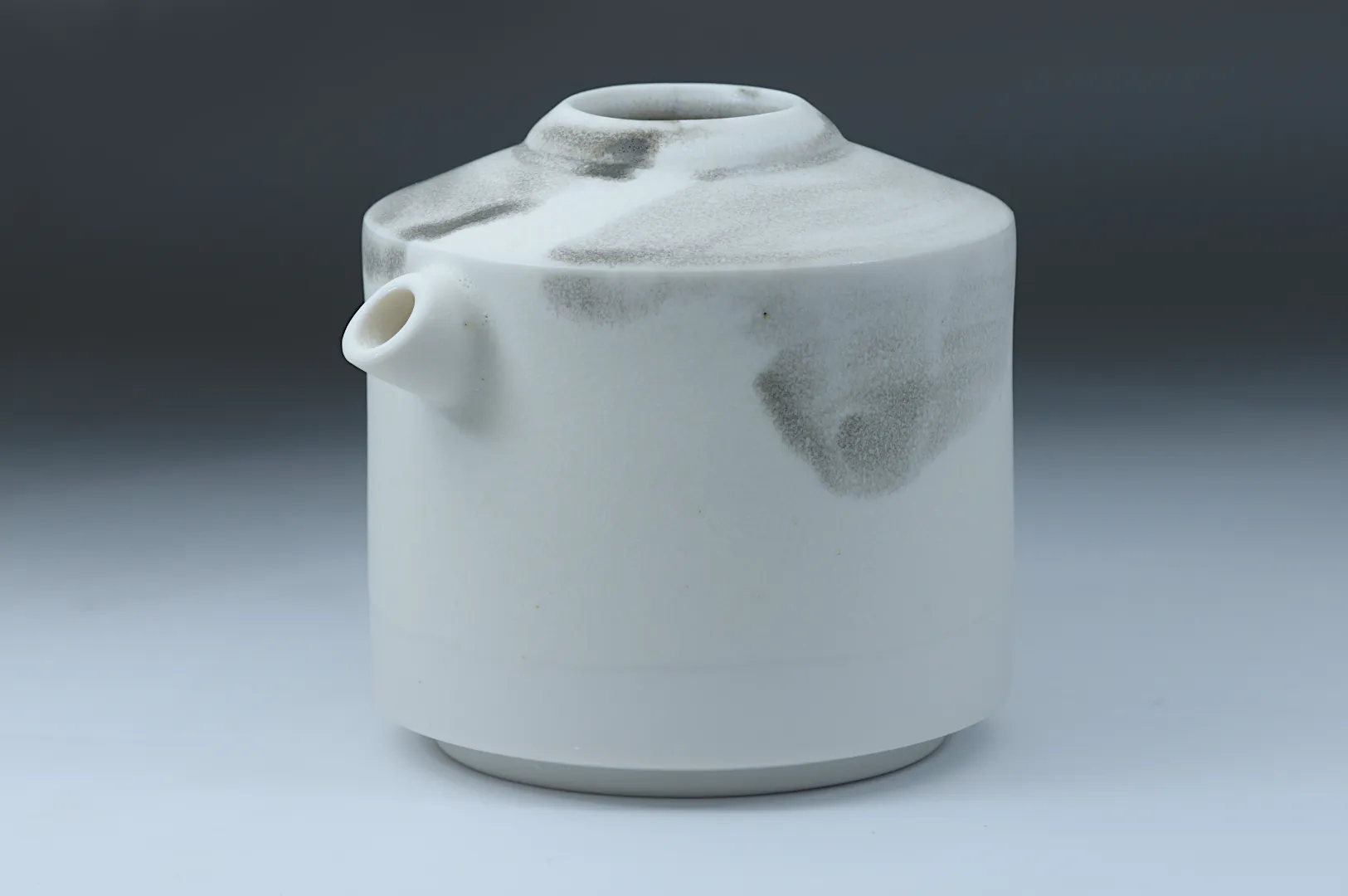
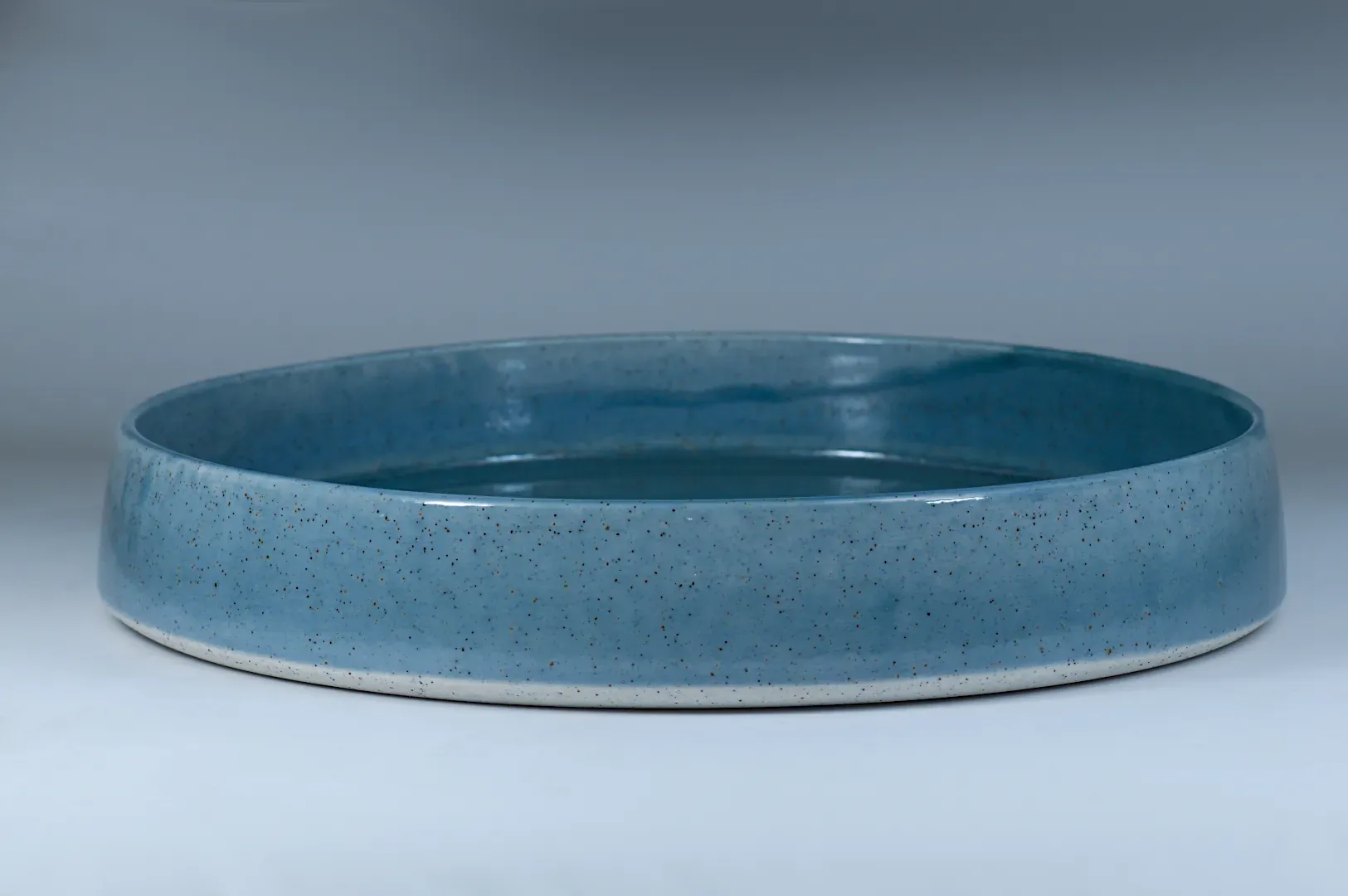
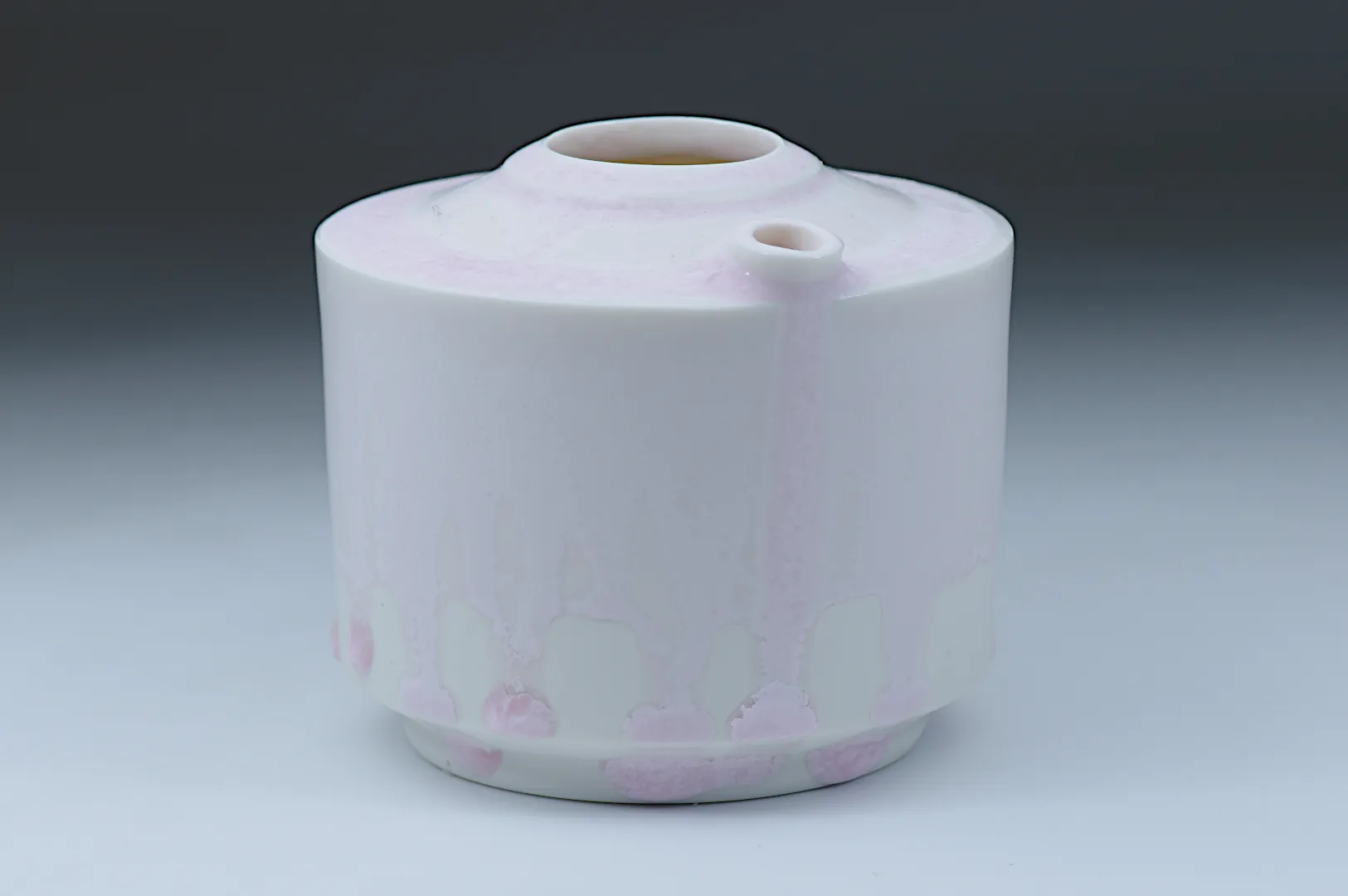
The exhibition featured wheel thrown and hand built works created using speckled clay, coarse white stoneware clay or fine white porcelain and, for the first time, works in Corten steel sometimes in combination with ceramics.
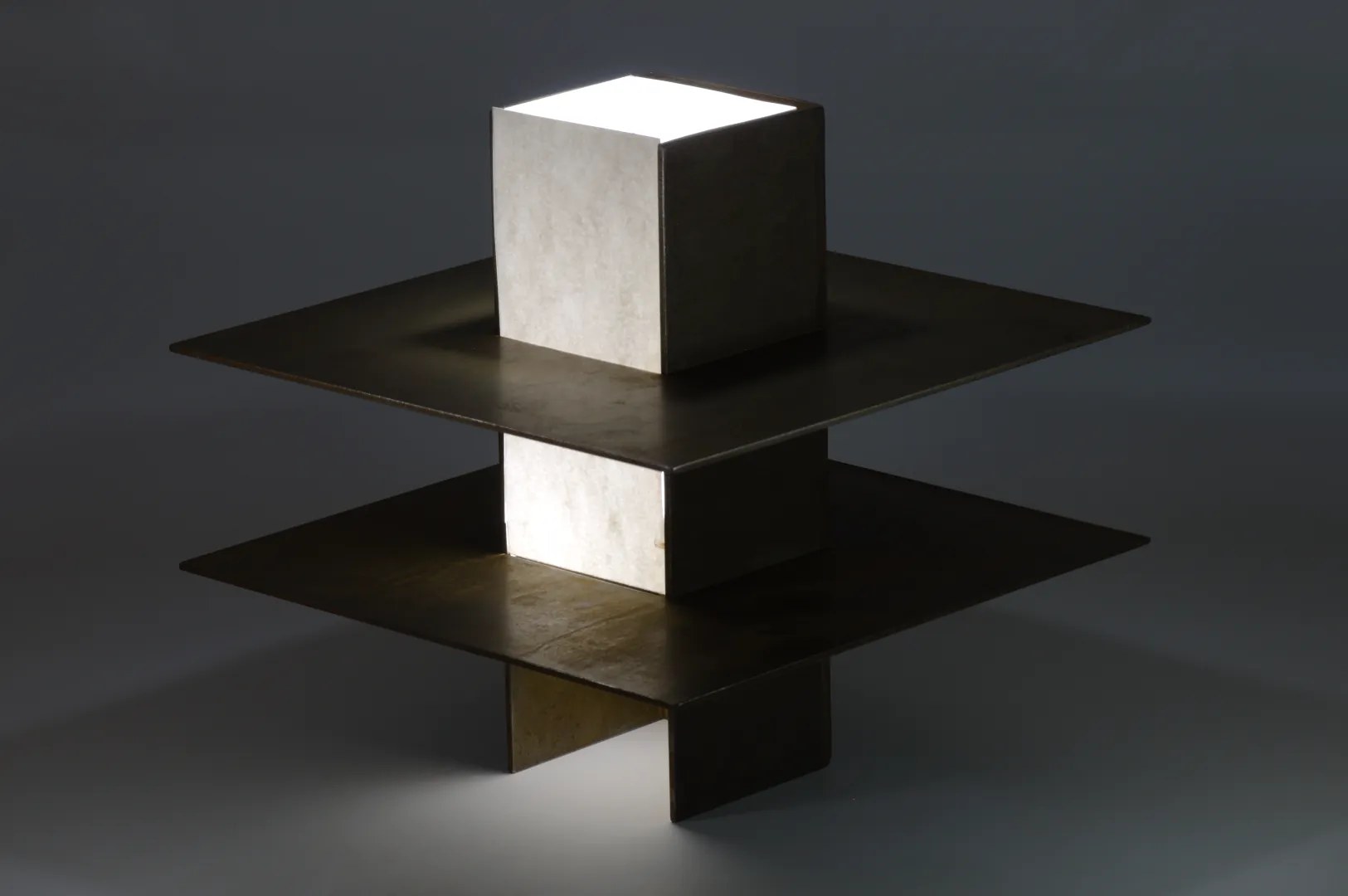
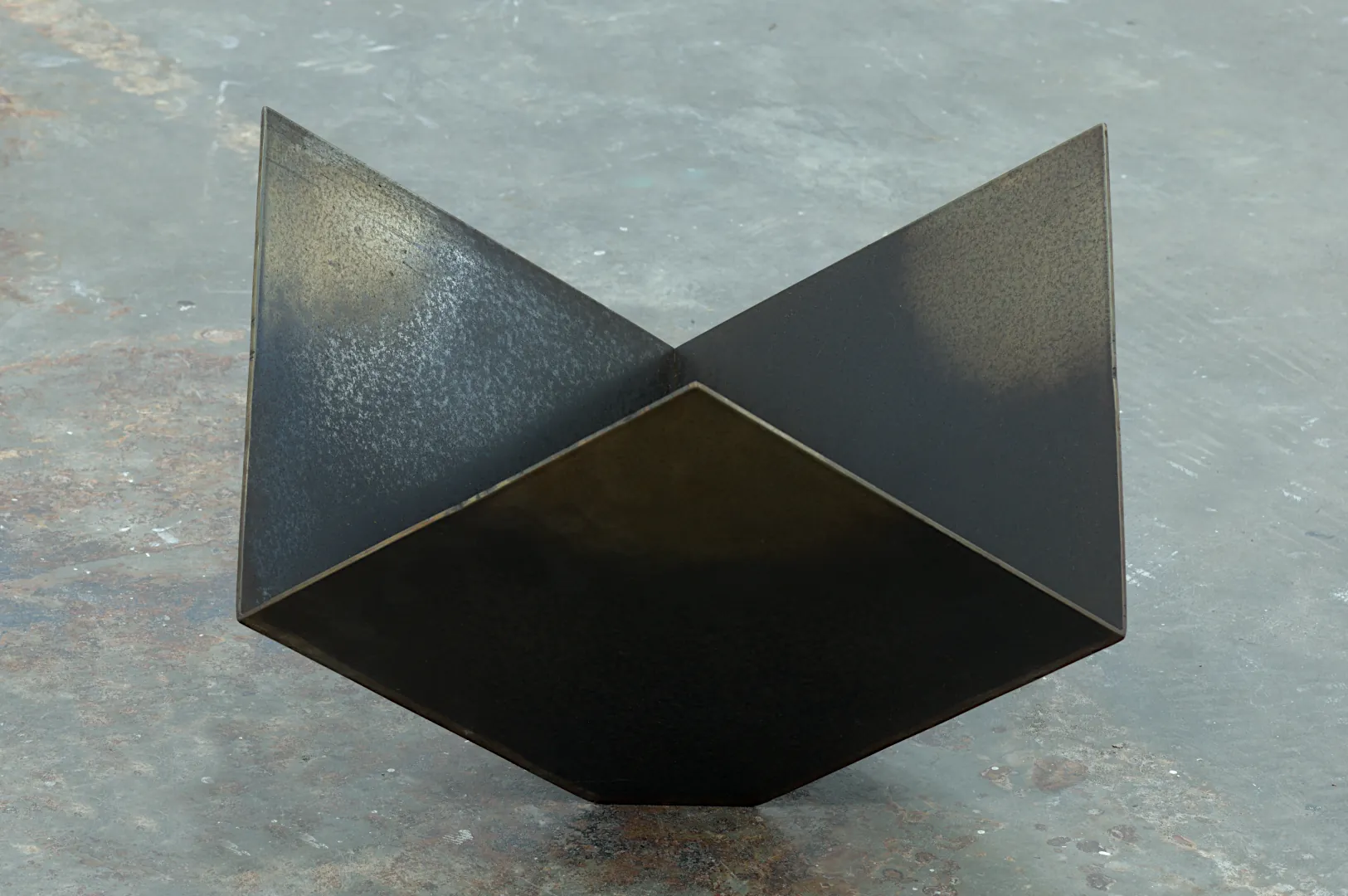
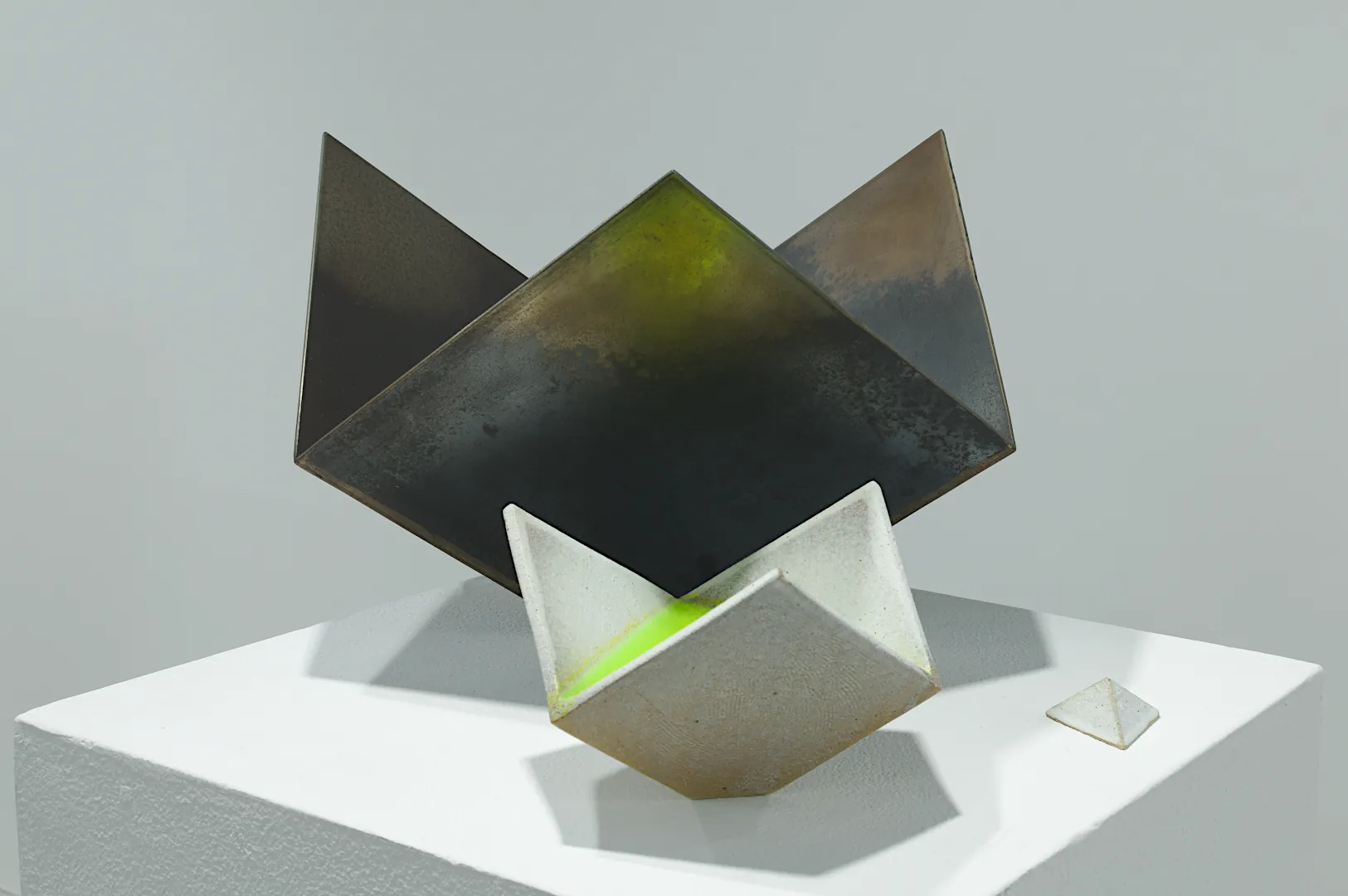
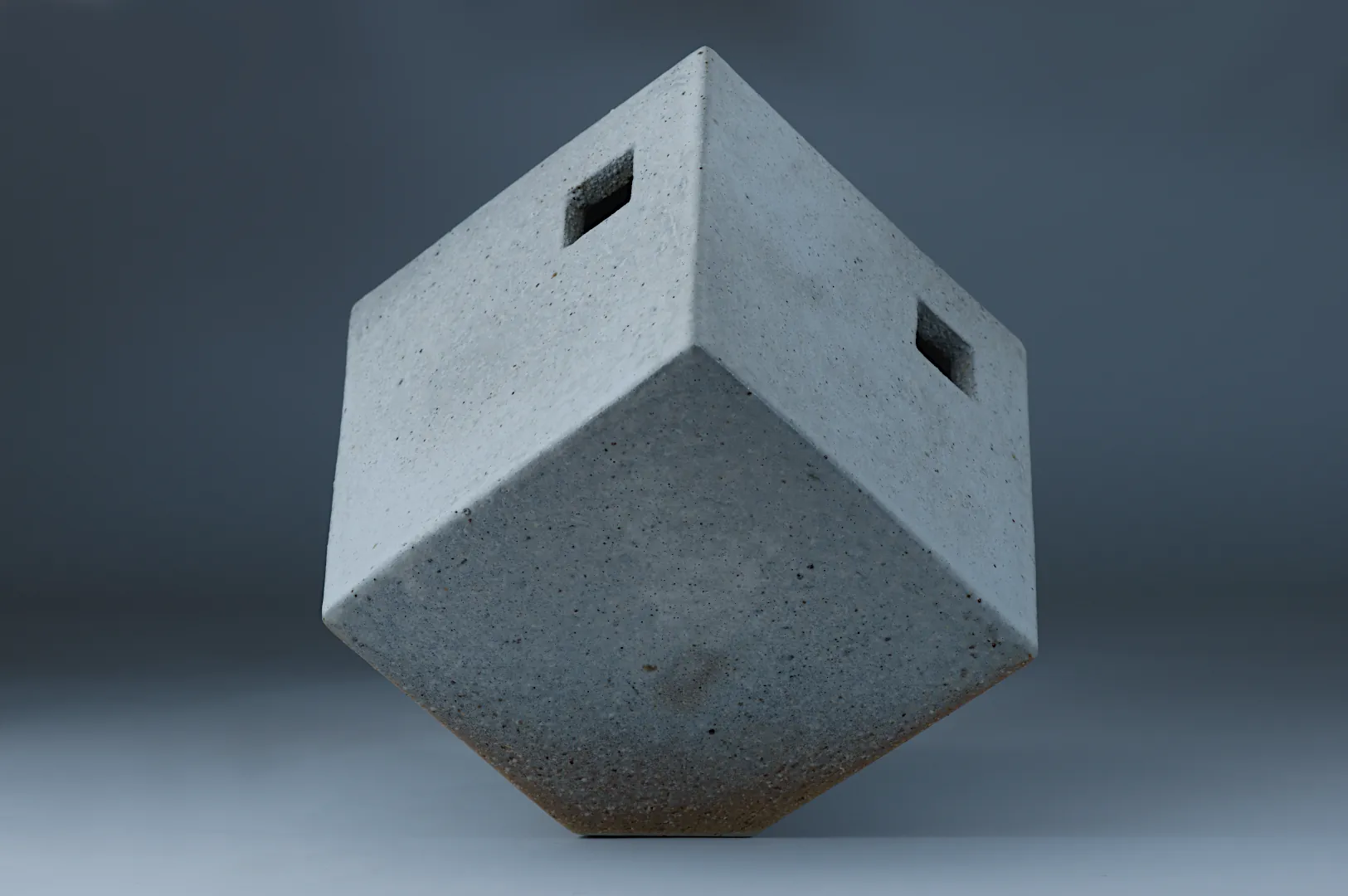
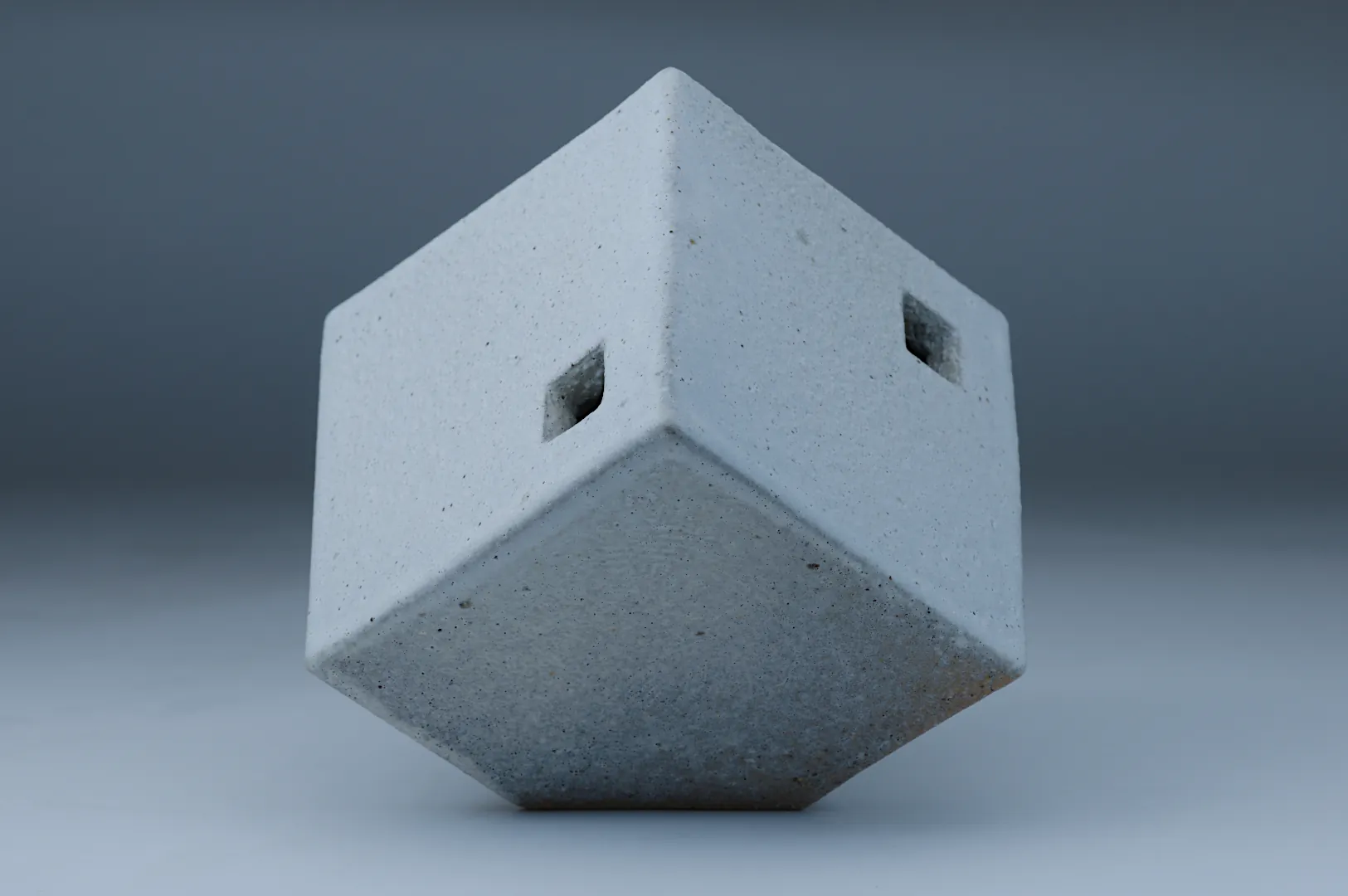
The cube is a recurring motif and its geometry is explored and highlighted in the balanced half cubes in ceramic and in steel, the internal triangular pyramid created with coloured liquid in Qubit 3, the triangular bases of the cubes, and in the external casting of hexagonal shadows.
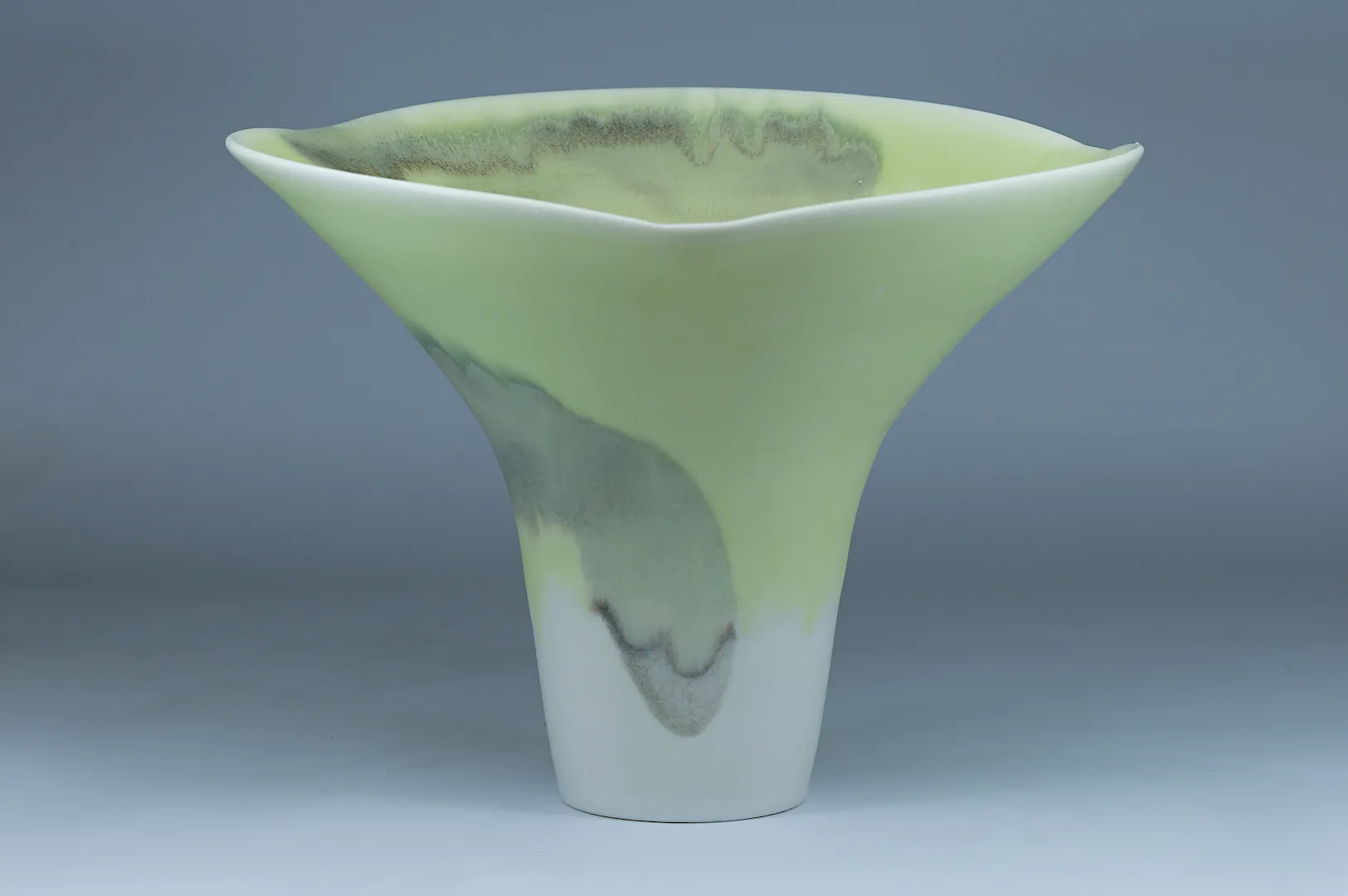
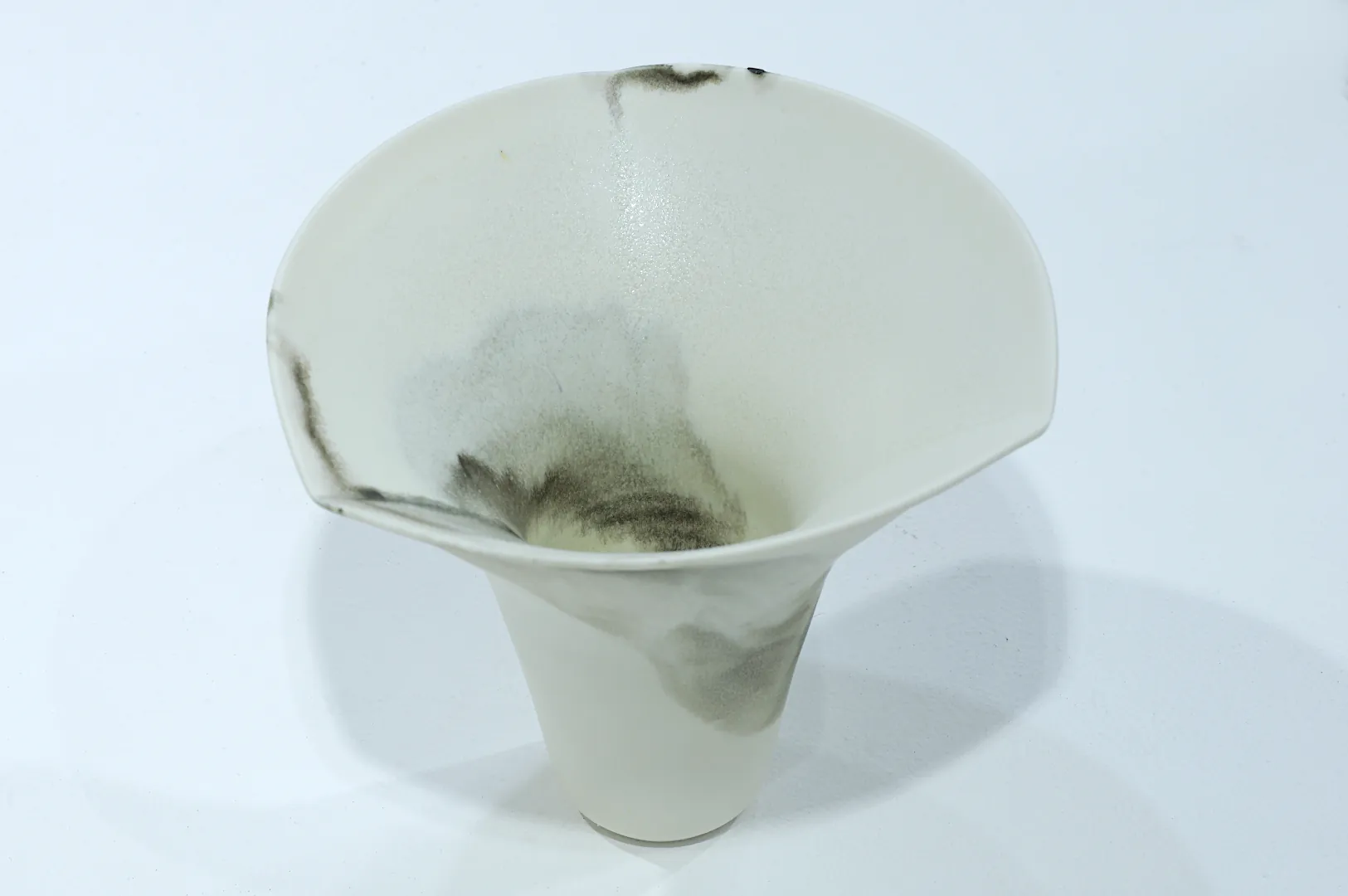
Many of the thrown works were altered while the porcelain was still in a very plastic state. Some of these feature brushwork using a black engobe applied in a spontaneous manner conferring individuality to each piece.
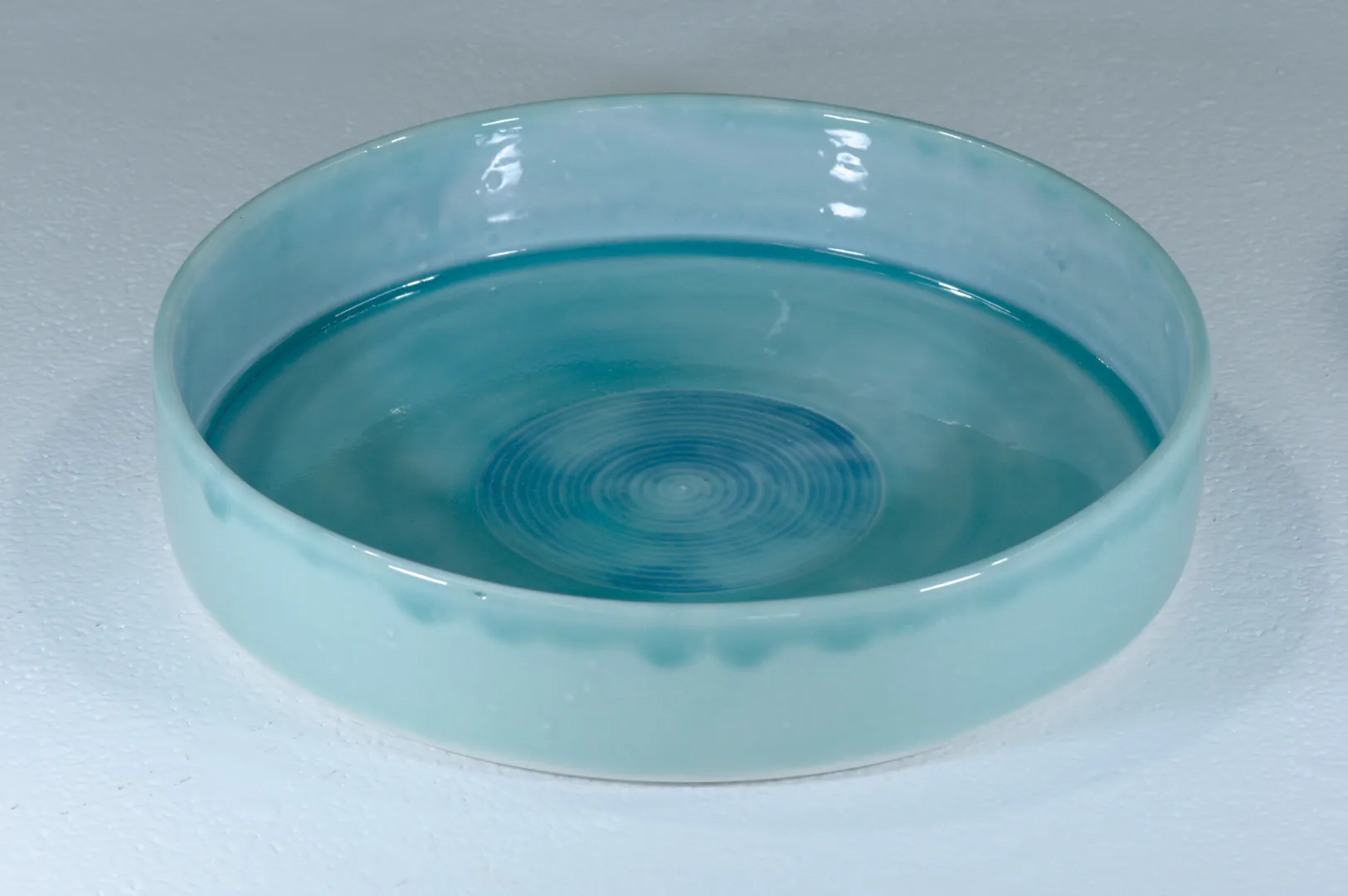
All ceramic works were high fired to 1280°C and, while they may be enjoyed purely as sculpture, they are functional and watertight.
Southern Ice Porcelain
The porcelain works feature a wide range of glazes from the turquoise and teal glazes to the ice blue and pink crackle glazes, a new glaze combining a violet matte and an orange gloss and chartreuse matte crystalline glazes.
For more images and further information on the nature, origins and qualities of porcelain, including Southern Ice porcelain, see the Southern Ice porcelain page.
Vessels for Ikebana
Many of the works would lend themselves well for use with Moribana or Nageire Ikebana arrangements. Examples of current and previous works may be seen on the Ikebana page.
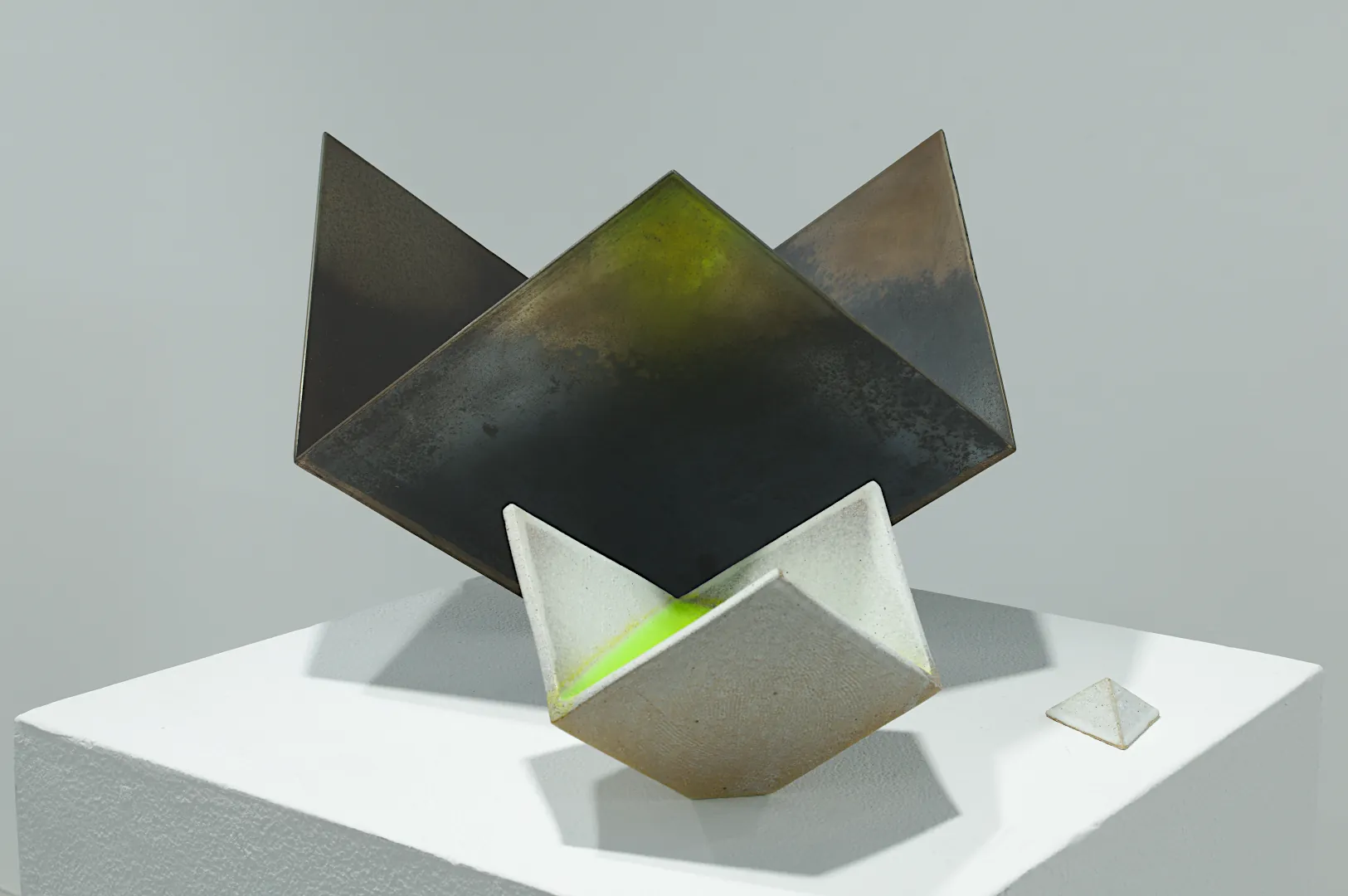
Qubit 5 (steel) and Qubit 3
Surface Treatments of Steel Qubits
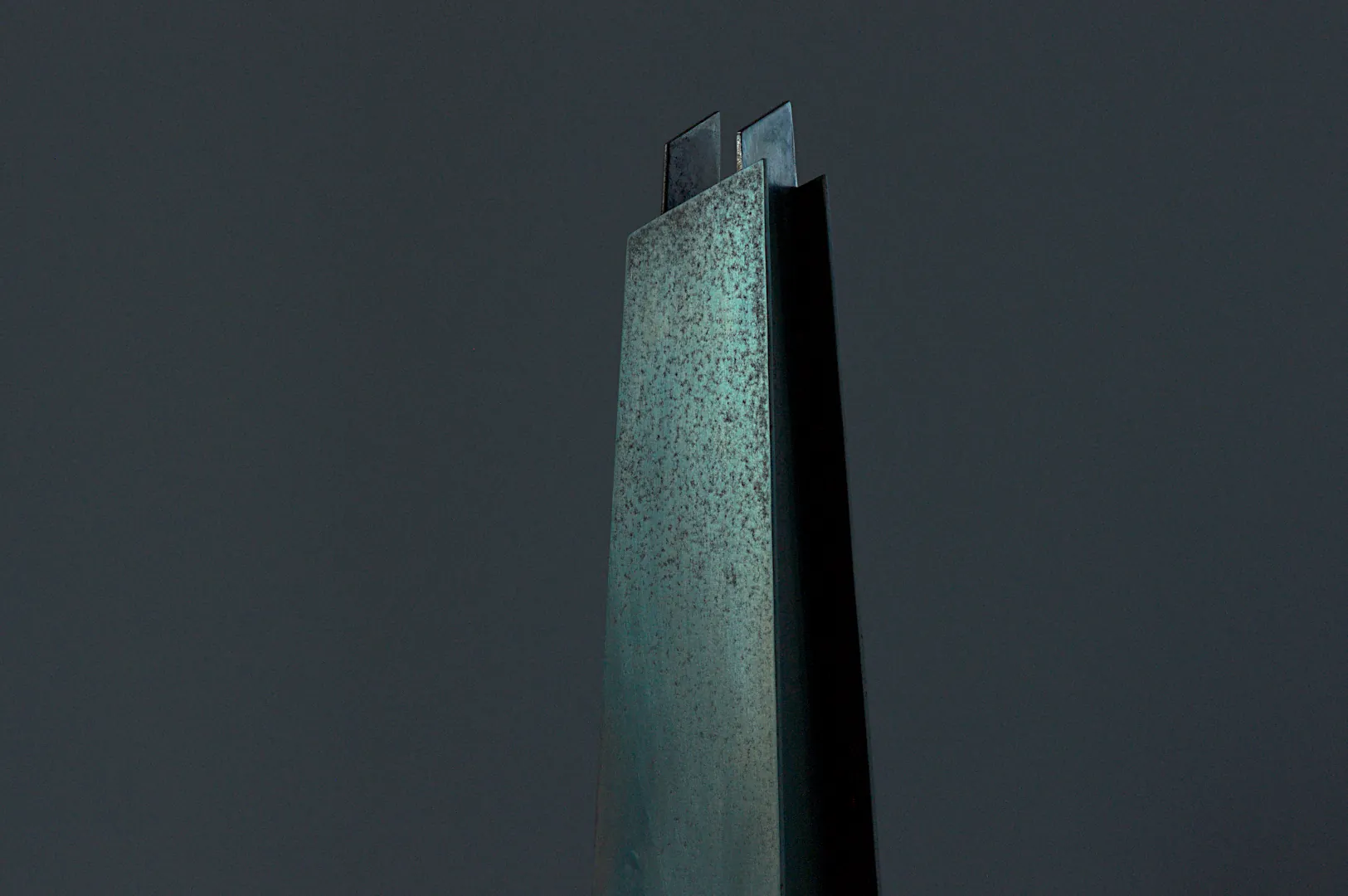
In the series of the three steel sculptures I explored the use of abrasion and heat to create different surface finishes. Qubit 4 had the mill scale (see below) removed through the use of acid and the steel exhibits a corroded orange rust surface. Qubit 5 had the three tips polished to a smooth surface removing the mill scale. The work was then heated to 310°C, which darkened the mill scale surface and subsequent impregnation with mineral oil resulted in a dark sheen with shiny bronze coloured sections on the top parts of the sculpture. Sections of Qubit 6 were polished to a shine leaving mill scale on the unpolished sections. Subsequent heating to 310°C changed the colour of the polished sections to a bright steel blue, this is known as heat bluing and is used for gun barrels and other steel objects. The sections where the mill scale was left intact turned a patinated dark brown black.
Dark Matter
The surface patina which develops on different types of metal was the inspiration for an earlier series of works, Dark Matter, where clay slips mixed with oxides emulated the soft sheen and corrosion of weathered metal surfaces.
Corten Steel
The name Corten is sometimes written with a hyphen as Cor-ten, or with the trademark symbol as COR-TEN®, a registered trademark held by U.S. Steel (USS).
The word 'Corten' is derived from its two most important properties of corrosion resistance and tensile strength. The steel forms a stable external layer of rust when exposed to the elements, which eliminates the need for painting. It is also known as weathering steel and has been used in the construction of buildings, bridges and monuments when the natural cycle of wet and dry causes the material to rust on the surface protecting the interior from further corrosion. The surface oxidation generally takes six months to develop, although surface treatments, such as the use of vinegar or acid, can accelerate this to as little as one hour. Humid sub tropical climates, salt laden air and environmental pollution can also accelerate the corrosion.
Mill Scale
Mill scale is a flaky layer of iron oxides which forms on the surfaces of steel as the red hot sheets are passed under pressure through rolling mills. It is a bluish black in colour and is composed mainly of iron oxides, specifically wüstite (FeO), hematite (Fe₂O₃), and magnetite (Fe₃O₄).
Corten Steel in Architecture and Sculpture
Corten Steel was developed in the 1930s, but it wasn't until the 60s that it began to be used for architecture. The architect Eero Saarinen selected Corten steel for the cladding of the John Deere center in Illinois, which opened in 1964. In the late 60s Richard Serra began to work with steel and used Corten steel for the gigantic steel sculptures he started producing in the 70s.
